


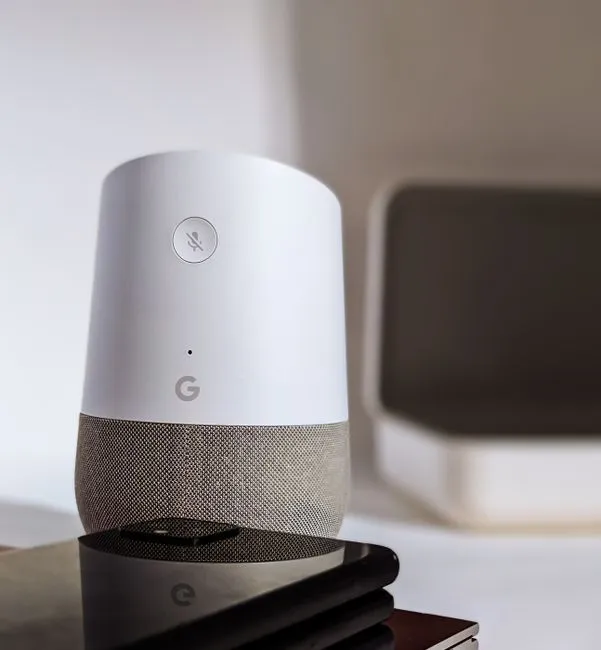
After a six-year hiatus, Google has officially returned to the smart speaker arena, and the new device is a far cry from the cylindrical gadgets that defined the early days of home automation. Arriving with a sleek, HomePod-inspired silhouette and a premium porcelain finish, this latest iteration is more than just a cosmetic refresh. At its core, the new Google Home Speaker has been completely reimagined to serve as the primary hardware host for Gemini, Google’s most advanced artificial intelligence model. This marks a significant pivot in how tech giants are approaching in-home AI, moving from simple voice command executors to deeply integrated, conversational companions.
A Design That Finally Fits Modern Interiors
The original Google Home devices, while functional, often struggled to blend seamlessly into contemporary home decor. The new design takes a page from Apple’s playbook, favoring a tall, cylindrical form factor wrapped in high-quality fabric mesh and accented with a smooth, matte base. The aesthetic is intentionally understated, designed to sit comfortably on a kitchen counter, living room side table, or bedroom nightstand without demanding attention. Google clearly listened to consumer feedback regarding form factor, prioritizing a premium build that signals this isn’t just a utility device, but a centerpiece of the modern smart home.
Gemini: The Brain Behind the Breeze
The hardware upgrade is impressive, but the real revolution happens under the hood. By migrating the speaker’s intelligence to Gemini, Google has fundamentally changed how users interact with their home devices. Traditional voice assistants operated on a rigid command-and-response model. You had to know the exact phrasing to get what you wanted. Gemini, however, thrives on natural conversation and contextual understanding.
Conversational Depth Over Rigid Commands
Imagine asking your speaker to plan a dinner party. Instead of giving you a single search result or asking for clarification, Gemini can now handle multi-step requests in a single flow. It can check your calendar, suggest recipes based on dietary preferences, cross-reference grocery delivery options, and even set a cooking timer, all while maintaining the thread of the conversation. The AI understands nuance, remembers previous parts of the discussion, and adapts its responses accordingly. This shifts the dynamic from issuing robotic commands to having a genuinely helpful dialogue.
Proactive Home Management
Beyond reactive commands, the Gemini integration allows for a more proactive approach to home automation. The speaker can learn your daily rhythms and anticipate needs. It might notice you usually start your coffee maker at 7:00 AM and gently remind you if you forget, or detect that a room has been unoccupied for hours and automatically adjust the thermostat to save energy. These aren’t just pre-programmed routines; they are dynamic adjustments driven by machine learning that continuously refines its understanding of your household habits.
Audio Quality Meets Artificial Intelligence
Of course, it’s still a speaker first and foremost. Google has upgraded the internal acoustics to match the premium exterior. The new driver configuration delivers richer mids, tighter bass response, and clearer highs, making it genuinely enjoyable for streaming music, podcasts, or audiobooks. The device also supports high-resolution audio streaming and spatial audio features, ensuring that when you aren’t asking Gemini to draft an email or control your lights, you’re still getting a top-tier listening experience. This balance between computational power and audio fidelity is crucial in a market where competitors like Amazon and Apple are constantly pushing boundaries.
Privacy, Control, and the Road Ahead
With deeper AI integration comes the inevitable conversation about data privacy. Google has addressed this by implementing stricter on-device processing capabilities where possible, ensuring that sensitive voice data isn’t unnecessarily transmitted to the cloud. Users also gain granular control over what the AI can access, with clear toggles for calendar integration, smart home device control, and personal data usage. Transparency remains a cornerstone of this launch, as Google recognizes that trust is the most important feature in any home-connected device.
Google’s return to the smart speaker market signals a broader industry shift. The era of the basic voice assistant is ending, replaced by sophisticated AI companions that understand context, manage complex tasks, and seamlessly blend into our daily lives. This new Gemini-powered speaker isn’t just an upgrade; it’s a statement about the future of domestic technology. Whether you’re a long-time smart home enthusiast or a first-time buyer, this device represents a meaningful step forward in how we live, work, and interact with the technology in our homes.
