


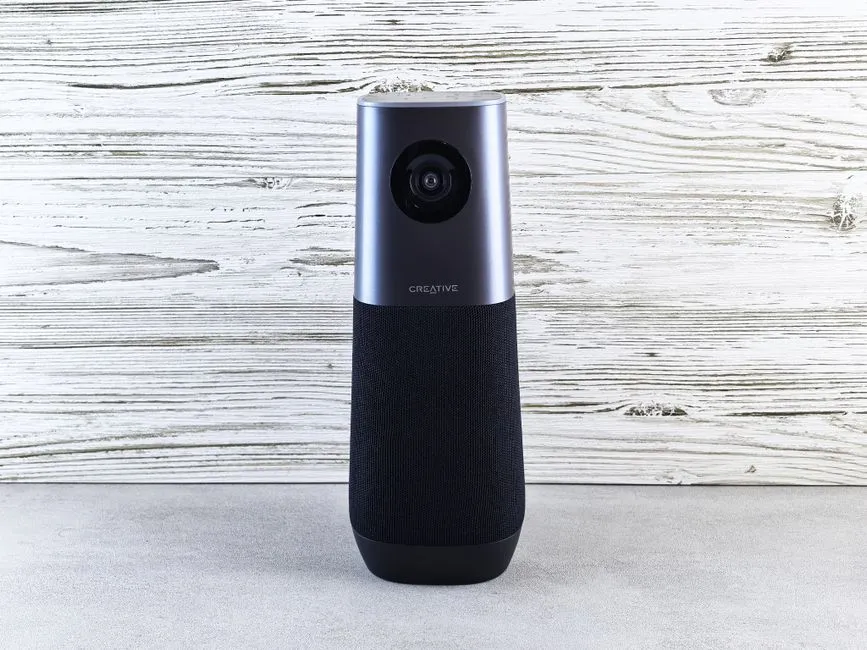
After a surprisingly long hiatus, Google has officially brought its smart speaker back to the forefront of the consumer tech market. Arriving six years after the company’s last major hardware refresh in this category, the newly redesigned speaker marks a significant shift in how we interact with our homes. Rather than simply updating the familiar cylindrical or puck-shaped designs of the past, Google has completely reimagined the device. The result is a sleek, premium-looking speaker that draws clear inspiration from Apple’s HomePod, but with a powerful new twist: it is built from the ground up to run on Gemini, Google’s advanced artificial intelligence model.
The Six-Year Gap and Why It Matters
For anyone who has been following the smart home space, a six-year stretch without a flagship speaker release from Google feels almost unprecedented. During that time, the market evolved rapidly. Voice assistants moved from novelty party tricks to essential household utilities, handling everything from grocery lists and calendar reminders to controlling smart lights and thermostats. By stepping away from the hardware cycle for so long, Google allowed competitors to refine their ecosystems and raised the bar for what consumers expect from a connected device. Now, by returning with a completely overhauled product, Google is signaling that it is ready to compete on both design and intelligence, rather than relying on legacy hardware to carry the conversation.
A Premium Design That Steps Away from the Past
Visually, the new speaker is a departure from the plastic-heavy, utilitarian designs that dominated the early smart speaker era. With its rounded silhouette, premium fabric mesh, and refined finish options, the device is clearly designed to blend into modern living spaces rather than stand out as an eyesore. This aesthetic shift is not just about looks; it reflects a broader industry trend where smart home devices are expected to function as furniture or decor accents. The acoustic engineering has also been upgraded to match the premium build, delivering richer bass and clearer highs that make it genuinely enjoyable to listen to music, podcasts, or audiobooks without needing a separate sound system.
Gemini Takes the Wheel: A Smarter Voice Experience
Where this device truly separates itself from older generations of smart speakers is in its brain. Powered by Gemini, the new speaker moves beyond simple command-and-response interactions. Instead of treating every voice query as an isolated task, the AI understands context, maintains conversational memory, and can handle multi-step requests with remarkable fluidity. You can ask it to adjust the thermostat, find a recipe, and set a timer for cooking, all in one continuous conversation, and it will keep track of the thread without losing its place.
Furthermore, Gemini’s multimodal capabilities mean the speaker can integrate more deeply with other Google services. It can summarize news articles, help draft quick messages, explain complex topics in plain language, and even assist with creative brainstorming. For families, this translates to a more natural, less robotic companion that actually anticipates needs rather than waiting for rigid, pre-programmed commands.
How It Stacks Up in the Smart Home Arena
The smart speaker market has long been dominated by three major players: Amazon’s Echo line, Apple’s HomePod, and Google’s own hardware. Each has carved out a distinct identity. Amazon focuses heavily on ecosystem breadth and third-party skill integration. Apple prioritizes privacy, seamless iOS integration, and high-fidelity audio. Google’s new approach seems to sit comfortably between the two, emphasizing conversational AI and cross-platform utility. By leaning heavily into Gemini, Google is attempting to make the speaker less of a remote control for your lights and more of a genuine digital assistant that can reason, adapt, and learn your preferences over time.
What Comes Next for Home AI
This release is more than just a product launch; it is a statement of intent. As large language models become more efficient and capable of running on edge devices, the line between a smart speaker and a personal AI companion will continue to blur. We are likely to see features like proactive home management, where the device learns your routines and adjusts lighting, temperature, or music automatically. We may also see tighter integration with wearable technology, health tracking, and even local service recommendations. The key will be maintaining user trust through transparent data practices and reliable performance.
Google’s return to the smart speaker market with a Gemini-powered device is a well-timed move. It acknowledges the mistakes of the past, embraces a more refined aesthetic, and leverages the latest in conversational AI to deliver a genuinely useful home companion. For consumers tired of clunky voice commands and outdated hardware, this is exactly the refresh the category needed. The future of the smart home is no longer about asking a machine to play a song; it is about having an intelligent partner that understands context, learns your habits, and makes daily life noticeably easier.
