


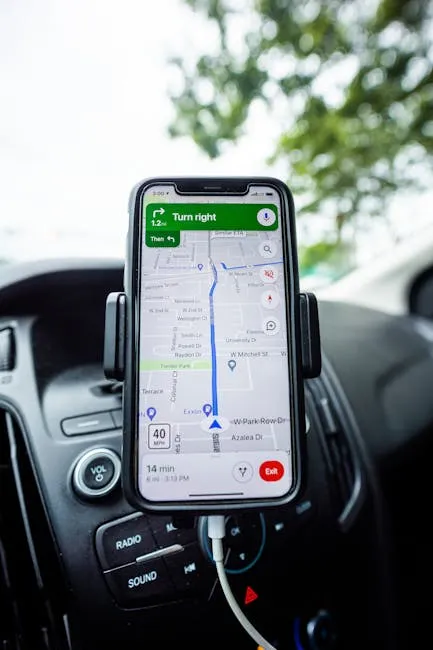
For years, we have relied on the same basic structure for digital navigation. You input a destination, an arrow appears on a blue line, and you follow it blindly through traffic. However, that era is coming to a close for many users. Google has officially confirmed that the tech giant is preparing a monumental push for its mapping application. The company states clearly that this launch represents the biggest update to Maps in over a decade. This isn’t just a minor tweak; it signals a fundamental shift in how we interact with our daily commute and travel plans.
The Arrival of ‘Ask Maps’
At the heart of this new era is a feature known as “Ask Maps.” For a long time, maps have been passive tools. You had to know precisely what you were looking for—coordinates, specific addresses, or turn-by-turn instructions that often felt robotic. With the introduction of AI-driven capabilities, Google Maps is becoming conversational.
How Ask Maps Works
- Natural Language Queries: Instead of searching for a business name and clicking on it, users can simply type or speak requests like “Show me the best coffee shop near here” or “Is there parking available at this location?”
- Contextual Understanding: The AI understands intent. If you ask for directions to a specific restaurant, the app might now suggest opening hours, reservation links, and reviews based on your query.
- Dynamic Responses: Unlike static data points from years past, this system pulls real-time information to answer questions about traffic conditions, lane closures, or public transit delays directly within the chat interface.
This shift transforms the map from a static image into an active assistant. Imagine sitting in your car and asking for a route that avoids a specific type of road or asks for a scenic drive rather than the fastest option. The conversational interface removes the friction of searching and clicking, allowing users to get immediate answers through simple voice commands.
Understanding Immersive Navigation
While “Ask Maps” handles the information retrieval, the “Immersive Navigation” feature addresses the visual experience during the drive itself. Traditional navigation often relies on 2D maps that can feel abstract when you are moving at speed. Immersive navigation aims to bridge the gap between what you see out your window and what you see in the app.
This update likely incorporates advanced augmented reality (AR) elements, though even without full AR glasses, the standard phone screen gets a significant upgrade. The goal is to make following directions more intuitive. Instead of looking left or right at a 2D arrow that might be confusing on a complex intersection, users can expect visual cues that align better with their real-world surroundings.
Key Benefits of Immersive Features
- Better Orientation: The map will likely highlight upcoming turns more distinctly, reducing the need to squint at the screen while driving.
- 3D Building Models: Many modern maps now use 3D terrain. This update pushes that further, potentially showing buildings in context so you know exactly which entrance is closest.
- Simplified Paths: By overlaying more accurate data on the screen, the navigation becomes less about memorizing turns and more about following a streamlined path directly to your destination.
Why This Update Matters for 2026
The significance of this announcement cannot be overstated. For many consumers, Google Maps is the default tool for finding their way. When a tech giant says an update is the biggest in a decade, it implies that previous iterations have become stagnant or insufficient for modern needs.
In 2026, expectations for consumer technology are higher. We expect our devices to understand us better than we understand them. Google Maps has acknowledged this feedback loop. By integrating AI deeply into the core navigation experience, they are ensuring that users aren’t just following paths; they are collaborating with their device to reach a destination safely and efficiently.
This move also puts pressure on competitors like Apple Maps and Waze to innovate faster. The market for location-based services is fierce, and keeping users engaged requires constant improvement in usability. If the ability to chat with your map becomes the standard, other apps must follow suit or risk becoming obsolete tools that simply point a finger without speaking.
The Future of Mapping
As we look toward the future of navigation, features like Ask Maps and Immersive Navigation represent just the beginning. We are moving toward an era where maps are not just databases of roads, but intelligent environments that understand our preferences, our needs, and our immediate surroundings.
For drivers, this means less stress when navigating unfamiliar cities. For pedestrians, it means finding accessible routes with greater confidence. The integration of these AI features is a testament to how far mapping technology has come in just the last few years.
Google Maps continues to evolve from a simple utility into a comprehensive travel companion. As these features roll out, users can expect a smoother, smarter, and more personalized experience every time they open the app. It is indeed a significant milestone for the industry, marking a new chapter in digital navigation history.
