


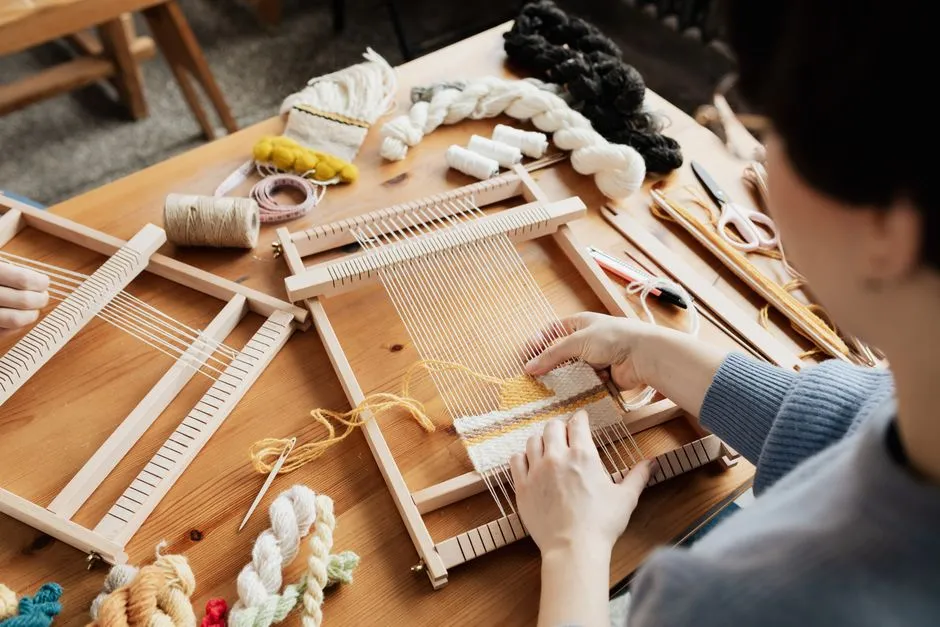
From Quirky Craft Corner to Crowded Marketplace
For over a decade, Etsy operated as a digital sanctuary for independent makers. It was the place you went when you wanted something specific, slightly offbeat, and genuinely handmade. Whether you were hunting for vintage band tees, custom pet portraits, or those famously unconventional jewelry pieces, the platform felt like a curated neighborhood rather than a sprawling corporation. That sense of community and authenticity was the entire reason it grew so large in the first place. Today, however, that original charm is struggling to survive. Many longtime sellers and industry observers agree that the marketplace has entered what can only be described as a flop era, and the exodus of independent creators is only just beginning.
The Algorithmic Shift and the Influx of Mass-Produced Goods
The transformation didn’t happen overnight, but the turning point became impossible to ignore once the platform’s search algorithms began prioritizing volume and sales velocity over craftsmanship. Suddenly, the front pages of search results were no longer dominated by small studios working out of garage workshops. Instead, they were filled with dropshippers and wholesale resellers flooding the site with identical items sourced from overseas factories. The promise of finding a one-of-a-kind piece quickly gave way to scrolling through endless grids of the same plastic phone cases, generic home decor, and bulk-printed apparel.
When AI Takes Over the Listing Pages
Compounding the mass-production problem is the rapid integration of artificial intelligence into the seller ecosystem. What used to require hours of photography, writing, and inventory management can now be automated in seconds. New sellers are using AI image generators to create photorealistic product mockups without ever touching the physical item. They’re feeding prompts into text generators to craft search-optimized titles and descriptions that perfectly game the ranking system. The result is a marketplace that looks incredibly polished on the surface but feels completely hollow underneath. You might click on a listing for a hand-carved wooden bowl, only to discover it’s a digital render created by a machine, ready to be shipped from a warehouse halfway across the world.
Why Sellers Are Packing Up and Moving On
For the artisans who built their businesses on Etsy, this shift feels like a betrayal. The platform’s rising fees, combined with the unfair competition from AI-generated listings and mass-market resellers, have made it financially unsustainable for many small shops. Independent makers are no longer willing to compete against sellers who don’t actually make anything. Instead, they are taking their audiences elsewhere. Many are migrating to independent storefronts, Depop, Instagram shops, or even simple newsletter-based storefronts where they can maintain direct relationships with their customers without fighting an algorithm that rewards volume over quality. This migration isn’t just a business decision; it’s a vote of no confidence in the platform’s current direction.
What Buyers Are Thinking (and Why It Matters)
Perhaps the most frustrating part for longtime sellers is the reaction from shoppers. Despite the overwhelming evidence that the platform has lost its handmade roots, a significant portion of the customer base seems entirely unfazed. For many modern consumers, the appeal of browsing online marketplaces has shifted from supporting independent artists to simply finding affordable, trendy items with fast shipping. If an AI-generated listing or a factory-made product fits their budget and aesthetic, they are buying it without hesitation. This consumer behavior creates a feedback loop that further incentivizes the platform to keep pushing mass-produced and AI-assisted inventory, slowly erasing the very culture that made it special.
The Road Ahead for Etsy and the Creator Economy
The current state of Etsy serves as a cautionary tale for the broader creator economy. It highlights what happens when a platform built on human creativity becomes optimized for automated efficiency. While artificial intelligence and e-commerce tools will always have a place in modern business, they should enhance the creative process, not replace it entirely. If the marketplace wants to reclaim its reputation, it will need to fundamentally rethink its policies, rein in the algorithmic loopholes, and prioritize the makers who actually build and ship the products. Until then, the platform will likely continue its downward spiral, leaving independent creators to find new homes where their work is valued for what it truly is.
The era of browsing for unique, human-made treasures on a single platform may be winding down, but the demand for authentic craftsmanship isn’t going anywhere. Makers are adapting, shoppers are waking up to the reality behind the listings, and the digital marketplace is slowly reshaping itself. The question isn’t whether the platform will survive, but whether it will ever truly return to the community-driven foundation that made it famous in the first place.
