


DoorDash Unveils New AI Features to Streamline Restaurant Operations
In a significant move aimed at modernizing the food delivery ecosystem, DoorDash announced on Monday that it is integrating a suite of new artificial intelligence (AI) tools designed specifically for its merchants. These enhancements are intended to tackle two of the most time-consuming aspects of running a food delivery business: the initial onboarding process and the quality of visual content used to showcase dishes.
For independent restaurant owners and food service providers, the path to joining a major delivery platform can often feel tedious and bureaucratic. From filling out extensive paperwork to ensuring that menu photos are high-resolution and appetizing, the barrier to entry has traditionally been high. DoorDash is now using the power of AI to lower these barriers, ensuring that more merchants can focus on what they do best: cooking.
Accelerating the Onboarding Experience
The first major update addresses the merchant onboarding workflow. Traditionally, this process involves navigating complex forms, uploading documents for verification, and waiting for approval. The new AI tools are designed to streamline this experience by automating parts of the data entry and verification process.
By leveraging machine learning algorithms, DoorDash can pre-fill forms based on existing data, reducing the manual input required from the restaurant owner. This not only speeds up the time it takes to go live on the platform but also reduces the likelihood of errors that can cause delays in approval. For a busy restaurant owner, every hour saved on administrative tasks translates to more time in the kitchen.
Enhancing Food Photography with AI
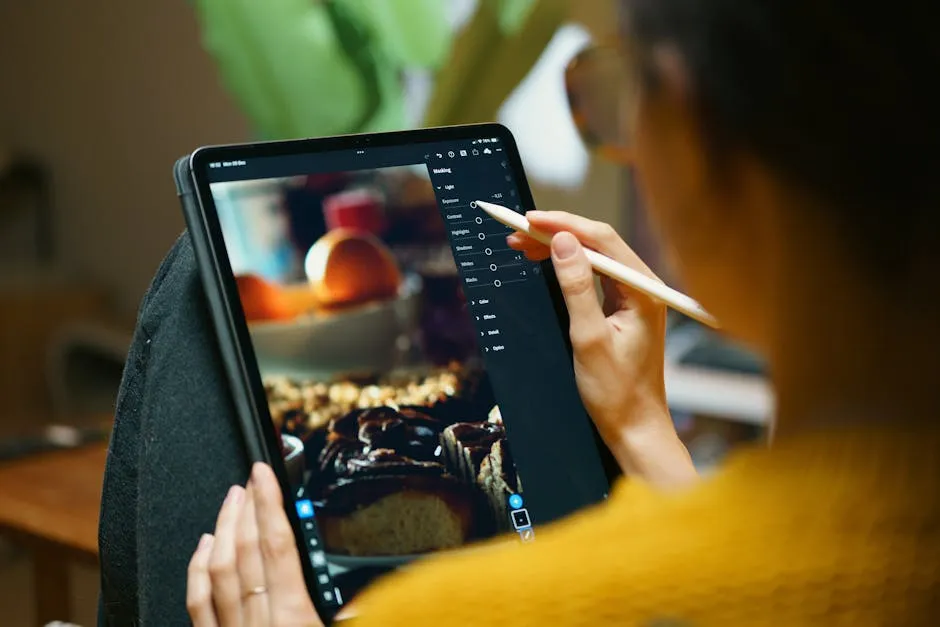
Perhaps even more critical for a food delivery service is the visual appeal of the dishes. In the digital age, a customer is often just as likely to be turned off by a poor-quality photo as they are by a bad review. DoorDash is introducing AI-powered photo editing tools that allow merchants to instantly improve the aesthetic of their menu images.
These tools likely include features such as automatic lighting adjustments, color correction, and object removal. If a photo contains a distracting background or a stray utensil, the AI can help clean it up. Furthermore, these tools can help standardize the look of the menu across the platform, ensuring that every dish, whether it’s a steak or a salad, looks fresh and mouth-watering. This helps maintain a high standard of visual consistency that is essential for an app-based ordering experience.
Generating Websites from Existing Content
DoorDash is also expanding its reach by offering tools that allow merchants to create new websites from existing content. This is a powerful feature for restaurants that need a separate digital presence but lack the technical resources to build one from scratch.
The AI can analyze the menu data, branding assets, and content already present in the merchant’s profile and generate a functional, mobile-responsive website. This ensures that even smaller businesses have a professional digital footprint without requiring a dedicated web developer. This capability effectively bridges the gap between a food delivery listing and a standalone digital storefront.
The Impact on the Food Service Industry
These updates represent a broader trend in the tech sector where AI is being used to support small businesses rather than replace them. By handling the heavy lifting of data processing and visual editing, platforms like DoorDash are democratizing access to high-quality digital tools.
For the food industry, which often operates on thin margins, efficiency is key. Reducing the time spent on administrative tasks and marketing assets allows restaurants to reinvest that time into staff, inventory, and customer service. As AI becomes more ubiquitous, the competitive landscape may shift toward those who can adopt these tools fastest, but the goal here is inclusivity—helping more merchants succeed rather than just the largest chains.
Conclusion
DoorDash’s latest integration of AI tools marks a pivotal moment for food delivery platforms. By addressing the friction points of onboarding and content creation, the company is signaling its commitment to the long-term success of its merchant network. As these features roll out, we will likely see a surge in new restaurants joining the platform, bringing fresh options to consumers and further cementing DoorDash’s position as a leader in the tech-driven food delivery space.
