


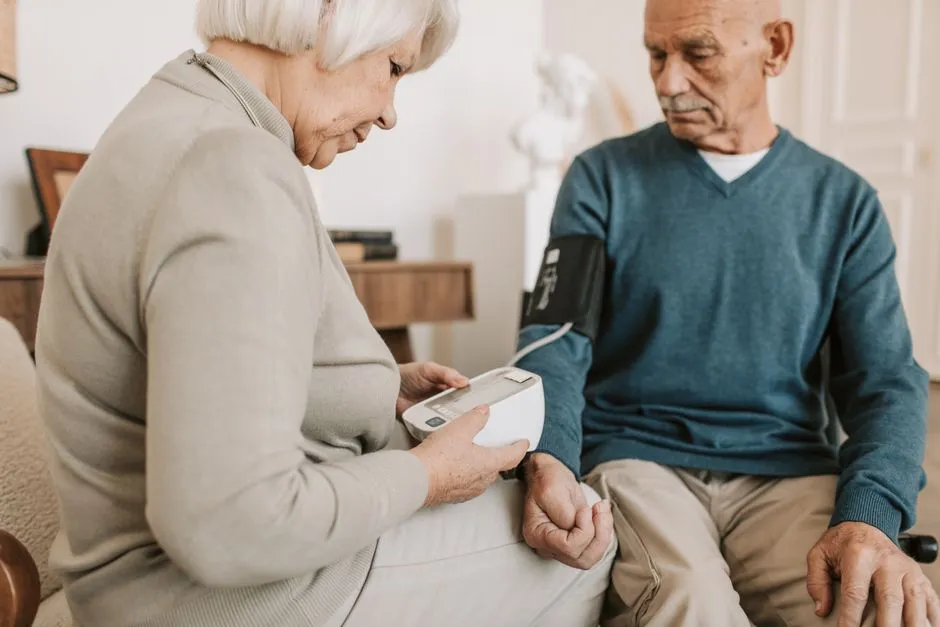
When it comes to growing older, most people share a deeply personal wish: staying in the home they know and love for as long as possible. This desire to age in place is more than just nostalgia; it is about preserving independence, maintaining daily routines, and avoiding the steep costs and emotional toll of institutional care. However, as the population grows older, families and healthcare providers are facing a difficult reality. Keeping seniors safe at home requires constant vigilance, and traditional methods like manual check-ins or bulky medical devices simply do not scale. Enter artificial intelligence. AI-powered monitoring systems are quietly transforming living rooms and bedrooms into safer environments, offering a new kind of peace of mind for both seniors and the people who care for them.
How AI Monitoring Is Changing the Game
At its core, this emerging technology moves far beyond the old-fashioned emergency pendant or a simple doorbell camera. Modern AI monitoring is designed to be unobtrusive, intelligent, and highly responsive. Instead of relying on a senior to press a button when they fall or feel unwell, these systems continuously analyze environmental data and behavioral patterns to detect anomalies before they become emergencies.
Smart Sensors and Behavioral Tracking
Most contemporary solutions utilize a combination of radar sensors, computer vision, and machine learning algorithms. Radar-based devices, for example, can track movement through walls without capturing identifiable images, preserving privacy while still mapping a person’s location and gait. Computer vision models, on the other hand, can recognize specific events like a sudden loss of balance, a person remaining stationary on the floor for an extended period, or unusual changes in daily routines such as failing to visit the kitchen in the morning. When the AI detects a potential issue, it instantly alerts family members or care coordinators, drastically reducing response times.
A Lifeline for Families and Caregivers
For adult children juggling full-time careers, financial pressures, and the emotional weight of watching their parents age, constant worry is exhausting. The guilt of not being able to check in every hour often leads to caregiver burnout. AI monitoring acts as a digital safety net, allowing families to maintain their daily lives while knowing that a professional-grade system is watching over their loved one. It shifts the dynamic from reactive panic to proactive management. Families receive clear, actionable insights rather than vague concerns, which helps them plan care visits, adjust medication schedules, or simply have more meaningful conversations instead of spending every call asking, Are you okay?
Easing the Burden on Home Care Agencies
The benefits extend well beyond individual households. Home care agencies across the country are struggling with severe staffing shortages and mounting operational costs. Many agencies simply cannot afford to provide 24/7 in-person supervision for every client. AI monitoring tools offer a scalable solution. By automating routine safety checks and flagging only genuine concerns, these systems allow human caregivers to focus their limited hours on tasks that actually require empathy and hands-on assistance, like helping with meals, providing companionship, or managing complex medical needs. In essence, AI handles the surveillance, while humans handle the care.
The Privacy Debate: Safety Versus Surveillance
With any technology that watches, listens, or tracks behavior, privacy concerns are inevitable. Seniors and their families rightfully ask where this data goes, who has access to it, and how it might be used in the future. Reputable developers are addressing these fears by prioritizing edge computing, which processes data locally on the device rather than streaming raw footage to the cloud. Additionally, many systems offer granular consent settings, allowing users to choose exactly what is monitored and when. The goal is not to create a panopticon, but to build a respectful boundary between necessary safety oversight and personal autonomy. Transparent data policies and user-controlled dashboards are becoming industry standards to bridge this trust gap.
What the Future Holds
As hardware becomes smaller and algorithms grow more sophisticated, we can expect these systems to integrate seamlessly into everyday objects. Smart mattresses that track sleep quality and respiratory rates, refrigerators that monitor dietary intake, and voice assistants that detect changes in speech patterns associated with cognitive decline are already in development. The next generation of aging-in-place technology will likely focus on predictive health analytics, identifying early warning signs of conditions like heart disease, diabetes complications, or early-stage dementia long before symptoms become obvious.
Final Thoughts
Embracing AI in senior care is not about replacing human connection with cold machines. It is about using technology to protect the dignity and independence of older adults while giving their loved ones and caregivers the tools they need to provide better support. As these systems continue to mature, they will play an increasingly vital role in redefining what it means to grow old in America. The future of aging in place is not just about staying home; it is about staying safe, connected, and in control for as long as possible.
