


Pollution rarely comes in a single, predictable form. Industrial wastewater, contaminated soil, and urban runoff can contain complex mixtures of hydrocarbons, heavy metals, pesticides, pharmaceutical residues, and other persistent chemicals. Traditional cleanup methods often treat these pollutants broadly, which can require significant energy, produce secondary waste, or fail when environmental conditions change.
A promising alternative is emerging at the intersection of biotechnology and artificial intelligence: generative AI-guided symbiotic biofilm engineering. This approach combines naturally cooperative microbial communities with advanced computational models to design biofilms that can identify, transform, and break down specific pollutants more effectively.
What Are Symbiotic Biofilms?
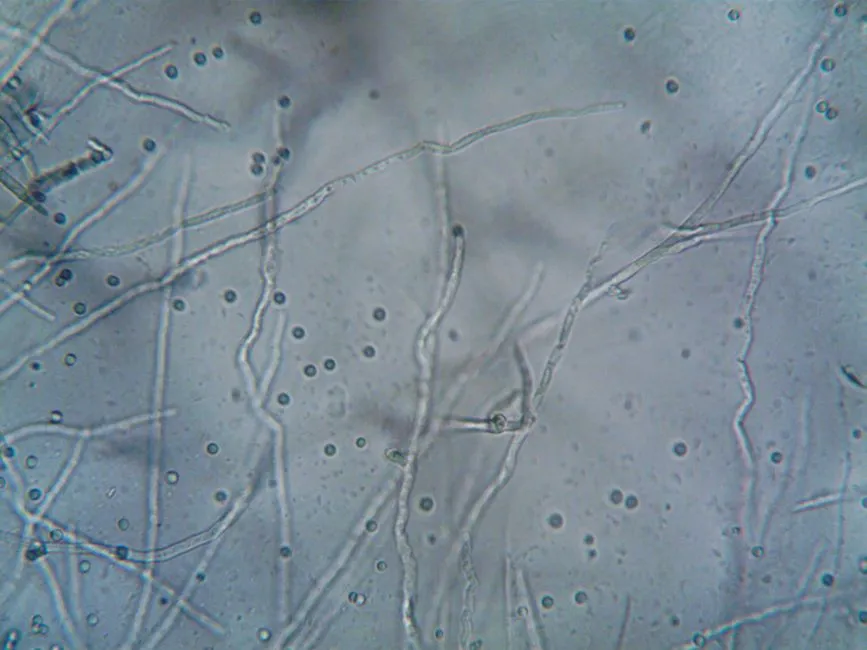
Biofilms are organized communities of microorganisms that attach to a surface and surround themselves with a protective, gel-like substance known as an extracellular matrix. They are found in rivers, soil, wastewater treatment systems, and even on household surfaces.
Unlike isolated microbial cultures, a symbiotic biofilm can contain multiple species that perform different but complementary functions. One organism may break a complex pollutant into a simpler compound, while another consumes the resulting byproduct. A third species may produce enzymes, nutrients, or chemical conditions that help the others survive.
This division of labor makes biofilms particularly useful for environmental cleanup. However, designing a stable community with the right combination of microorganisms is difficult. Microbes compete for resources, respond differently to temperature and acidity, and may behave unpredictably when placed in a new environment.
The Role of Generative AI in Biofilm Design
Generative AI can help researchers move beyond trial-and-error experimentation. By analyzing large biological and environmental datasets, AI models can propose new microbial combinations, metabolic pathways, and operating conditions that may be effective against a particular contaminant.
For example, a research team could provide a model with information about:
- The chemical structure and concentration of a target pollutant
- The microorganisms already known to metabolize related compounds
- Environmental conditions such as temperature, pH, salinity, and oxygen levels
- The nutrients and electron donors required for microbial activity
- The potential toxicity of intermediate breakdown products
- The physical surface or reactor where the biofilm will grow
The model could then generate candidate biofilm designs. These designs might include specific microbial partnerships, genetic or metabolic traits, reactor conditions, and predicted pollutant-degradation pathways.
Targeted Breakdown Instead of General Treatment
One of the most important advantages of this approach is its focus on targeted pollutant removal. Conventional biological treatment systems are often optimized for broad categories such as organic matter or nitrogen. Generative AI could help create biofilms designed for more difficult contaminants, including chlorinated chemicals, petroleum compounds, dyes, pesticides, and certain pharmaceutical residues.
Targeted design may also improve efficiency. Rather than introducing a large and poorly defined microbial population, engineers could select a smaller community with complementary capabilities. This may reduce competition, shorten treatment times, and limit the formation of harmful intermediate compounds.
For instance, a biofilm designed for a refinery wastewater system could be optimized to handle hydrocarbons under low-oxygen conditions. A different community could be developed for agricultural runoff, where pesticide residues and excess nutrients are the primary concerns. The same general technology could therefore support customized treatment systems for different industries and locations.
Combining AI Predictions With Laboratory Testing
Generative AI does not eliminate the need for microbiologists, environmental engineers, or controlled experiments. Instead, it can help researchers prioritize the most promising options.
A typical development process might begin with AI-generated candidates. Scientists would then test those candidates in laboratory reactors, measuring pollutant removal, microbial growth, byproducts, stability, and resistance to environmental changes. The experimental results could be fed back into the model, allowing it to improve future recommendations.
This iterative cycle creates a form of biological design optimization:
- Define the pollutant and treatment goals.
- Collect biological, chemical, and environmental data.
- Generate candidate microbial communities and operating conditions.
- Test the candidates in controlled laboratory environments.
- Compare predicted results with observed performance.
- Refine the model and validate the strongest designs at pilot scale.
Over time, this process could make biofilm engineering faster and more precise while reducing the amount of laboratory work required for each new application.
Challenges and Safety Considerations
Despite its potential, AI-assisted biofilm engineering presents important challenges. Biological systems are highly complex, and a model may produce a theoretically attractive design that fails in real-world conditions. Microbial communities can evolve, lose key functions, or be displaced by organisms already present in the environment.
There are also questions about containment and ecological impact. Engineered or selectively enriched microorganisms should be carefully evaluated before deployment outside controlled facilities. Researchers must assess whether a biofilm could spread, transfer genetic material, disrupt native ecosystems, or create unexpected chemical byproducts.
Data quality is another concern. AI models depend on reliable information, but microbial databases often contain gaps, inconsistent measurements, and limited information about interactions between species. Transparent validation, independent testing, and clear monitoring procedures will be essential.
The Future of AI-Enabled Environmental Biotechnology
As generative AI models become better at understanding biological systems, they may help create environmental technologies that are more adaptable and resource-efficient. Future systems could monitor water chemistry in real time and adjust oxygen levels, nutrient delivery, or flow rates to keep a biofilm operating at peak performance.
In more advanced applications, AI could connect pollutant sensors with treatment reactors, enabling facilities to respond automatically when contamination levels or chemical compositions change. This would make biological treatment more flexible than systems built around fixed assumptions.
Generative AI will not replace environmental science or microbial ecology. Its greatest value lies in helping experts explore complex possibilities, identify useful biological partnerships, and learn more quickly from experimental results. With careful oversight, symbiotic biofilm engineering could become an important tool for addressing some of the world’s most persistent pollution problems.
By combining the cooperative power of microbial communities with the pattern-recognition and design capabilities of generative AI, researchers are developing a new pathway toward precise, sustainable pollutant breakdown. The technology is still advancing, but its potential reaches far beyond traditional wastewater treatment—toward environmental systems that are smarter, more targeted, and better adapted to the complexity of real-world contamination.
Related read: Your Brain Isn’t a Prompt Queue: Why Faster AI Doesn’t Make You Faster
