


The artificial intelligence landscape is shifting faster than ever, and one of the most heated conversations right now revolves around a single question: should the code powering our most advanced AI models be open to the world or locked behind corporate doors? This week’s discussion on the Uncanny Valley podcast dove straight into this divide, highlighting Nvidia’s recent push to build a broader open-source AI alliance. What makes this move particularly interesting is who isn’t at the table. Two of the industry’s most influential names, OpenAI and Anthropic, are noticeably absent.
Understanding the Open vs. Closed-Source Divide
At its core, the debate comes down to philosophy, security, and business strategy. Open-source AI development operates on the principle that transparency drives innovation. When researchers, developers, and independent teams can inspect, modify, and build upon foundational models, the entire ecosystem benefits from faster iteration, better security audits, and more democratic access to cutting-edge technology. On the flip side, closed-source models prioritize control. Companies that keep their weights and training data proprietary argue that it allows them to maintain stricter safety guardrails, protect their intellectual property, and manage the commercial rollout of their technology without the risk of malicious actors easily reverse-engineering or misusing the core architecture.
Nvidia’s Strategic Push for Collaboration
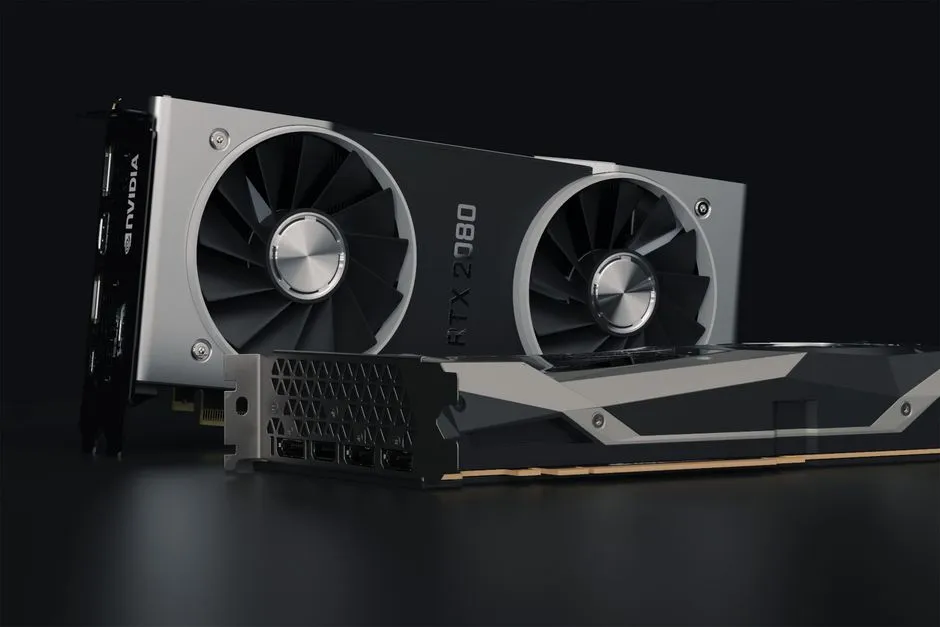
Nvidia has long been the undisputed backbone of AI infrastructure, supplying the GPUs that power everything from massive data centers to local developer workstations. By championing an open-source alliance, the chip giant is effectively trying to standardize how these models are built, optimized, and deployed across different hardware ecosystems. The goal isn’t just about sharing code; it’s about creating a unified framework that reduces fragmentation, lowers development costs, and accelerates time-to-market for new AI applications. When hardware and software developers collaborate openly, the entire stack becomes more efficient, which ultimately benefits enterprises and consumers alike.
Why OpenAI and Anthropic Stay in the Shadows
Despite the industry momentum toward transparency, OpenAI and Anthropic have largely maintained their closed-door approach. Both companies have publicly emphasized their commitment to AI safety and responsible deployment. By keeping their models proprietary, they retain full control over how the technology is used, how updates are rolled out, and how safety filters are enforced. This isn’t necessarily a rejection of open principles, but rather a calculated risk management strategy. In an era where AI-generated misinformation, deepfakes, and autonomous system failures pose real-world threats, these companies are betting that centralized oversight provides a necessary buffer against unchecked deployment. Whether this approach will hold up long-term as regulatory pressure mounts remains to be seen.
The Role of Government and White House Policy
As the technical debate plays out in server rooms and developer forums, government policymakers are stepping in to shape the rules of the road. Key figures within the White House AI policy apparatus are actively working to balance innovation with public safety. The focus isn’t just on whether models should be open or closed, but on establishing clear accountability frameworks, data provenance standards, and audit mechanisms. Policymakers are increasingly recognizing that regardless of a company’s source code stance, there must be transparent reporting on training data, bias mitigation, and system limitations. The intersection of corporate strategy and federal regulation is where the next major AI milestones will likely be decided.
A Practical Note: Protecting Your Chatbot Data from Search Engines
While the industry debates architecture and policy, everyday users face a more immediate concern: digital privacy. If you’ve been using AI chatbots, you might have noticed that conversation logs can sometimes surface in search engine results. This happens when platforms inadvertently index user interactions or when third-party tools scrape public-facing chat interfaces. To keep your data out of search results, start by checking the privacy settings within your chosen AI platform. Most major services offer options to disable data retention or opt out of model training. Additionally, you can use browser extensions that block search engines from indexing specific URLs, or manually submit removal requests through search engine webmaster tools. Taking these small steps ensures your conversations stay between you and the AI, rather than becoming public search snippets.
Looking Ahead
The open versus closed-source debate isn’t going to be resolved with a single policy change or corporate announcement. Both paths offer distinct advantages, and the AI industry will likely continue to split along these lines for the foreseeable future. What matters most is that developers, companies, and regulators keep user safety, transparency, and ethical deployment at the center of the conversation. As Nvidia expands its collaborative networks and major players like OpenAI and Anthropic refine their proprietary models, the real test will be how well these approaches serve the public. For now, staying informed, protecting your digital footprint, and demanding accountability from the companies shaping our future remains the best strategy for navigating the AI revolution.
