


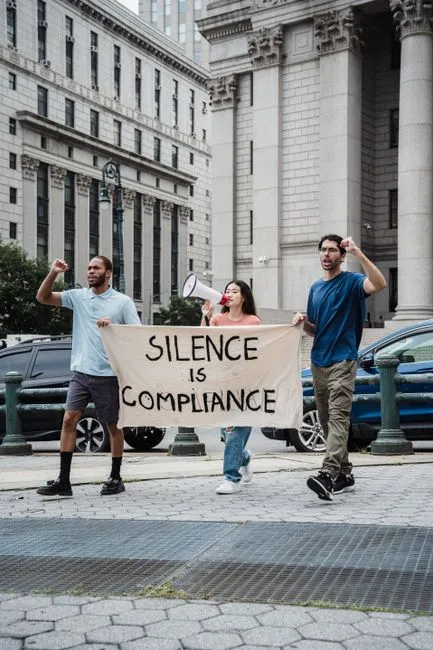
The artificial intelligence landscape has long been defined by rapid technological breakthroughs, but the latest chapter in OpenAI’s story is playing out in the realm of political advocacy. In a move that highlights a growing internal divide, OpenAI employees have pooled more than $215,000 to fund a new Super PAC. This grassroots political effort is explicitly designed to counter “Leading the Future,” a lobbying and advocacy group backed by OpenAI president Greg Brockman. What began as a quiet disagreement over corporate direction has now evolved into a public, politically funded showdown over the future of AI governance.
The Growing Divide Within OpenAI
To understand why a group of AI engineers and researchers would turn to political action committees, you first need to look at OpenAI’s turbulent recent history. The company has undergone massive structural shifts, including its controversial transition from a non-profit structure to a capped-profit model, followed by a leadership shakeup that saw CEO Sam Altman briefly ousted and later reinstated. Throughout these changes, the company’s original mission to ensure artificial general intelligence benefits all of humanity has occasionally clashed with the practical demands of scaling a billion-dollar business.
From Mission-Driven Research to Corporate Reality
Greg Brockman, who stepped into the role of president, has been a vocal advocate for deregulation and market-driven AI development. His backing of “Leading the Future” signals a push toward policies that prioritize rapid innovation, economic growth, and minimal government interference. However, not everyone at OpenAI subscribes to that philosophy. A significant portion of the workforce believes that moving too fast without adequate safeguards could lead to serious societal consequences, from widespread job displacement to the spread of misinformation and security vulnerabilities.
What Is the Rival Super PAC and Why Does It Matter?
Enter the new employee-funded Super PAC, which has positioned itself as a direct counterweight to Brockman’s political arm. While specific naming conventions and campaign strategies are still taking shape, the group’s core mission is clear: advocate for robust AI guardrails, transparent oversight, and proactive federal regulation. Unlike traditional lobbying efforts that focus on corporate tax breaks or deregulation, this employee-driven initiative is pushing for legislation that mandates safety testing, requires transparency in model training, and establishes clear accountability for AI developers.
How Employee Funding Changes the Political Landscape
The $215,000 raised so far is more than just a financial figure; it represents a coordinated effort by engineers, researchers, and policy staff who want to ensure their voices are heard in Washington. Super PACs allow donors to contribute large sums to political campaigns and advocacy groups without the same restrictions that apply to direct corporate political spending. By using this vehicle, OpenAI staff are bypassing traditional corporate channels to directly influence the policy debate on their own terms.
Why Employees Are Stepping Up
It might seem unusual for tech workers to dive into federal political financing, but this trend reflects a broader shift in Silicon Valley culture. Today’s AI professionals are acutely aware that the models they build will shape everything from healthcare diagnostics to criminal justice algorithms. Many entered the industry with a sense of purpose, hoping to solve complex human problems. When they perceive that corporate leadership is prioritizing speed over safety, they are increasingly willing to take action.
For these employees, the issue isn’t just about internal company politics. It’s about the direction of an entire industry. Unchecked AI deployment could entrench bias, erode privacy, and concentrate power in the hands of a few large corporations. By funding a rival political effort, these staffers are attempting to realign OpenAI’s external advocacy with the ethical principles that originally attracted them to the company. Their donations signal a growing belief that responsible AI development requires active government involvement, not just industry self-regulation.
The Broader Impact on AI Policy and Tech Culture
This internal split at OpenAI mirrors a larger national conversation about how artificial intelligence should be governed. Lawmakers in Washington are still grappling with how to regulate a technology that evolves faster than legislative committees can draft bills. Meanwhile, tech companies are spending millions on lobbying, often pushing back against strict oversight. The emergence of an employee-backed Super PAC adds a new layer to this dynamic, demonstrating that the push for AI accountability isn’t just coming from academic researchers or consumer advocacy groups. It’s coming from inside the industry itself.
If this trend continues, we may see more tech workers leveraging political action committees, shareholder resolutions, and public advocacy campaigns to influence corporate behavior. The tension between innovation and regulation is no longer a theoretical debate; it’s a practical challenge that companies like OpenAI will have to navigate carefully. How leadership responds to this grassroots movement could set a precedent for how other major AI labs handle internal dissent and external policy pressures.
What Comes Next for OpenAI and the AI Industry?
The road ahead is unlikely to be smooth. OpenAI will continue to face intense scrutiny from regulators, competitors, and the public. The existence of a well-funded, employee-backed political group opposing the company’s official advocacy arm could complicate future policy negotiations and public relations efforts. On the other hand, it could also force leadership to take safety and transparency more seriously, potentially leading to more balanced corporate policies that reflect a wider range of internal perspectives.
For the broader AI industry, this development serves as a reminder that technology doesn’t exist in a vacuum. The people who build these systems care deeply about how they are used, and they are increasingly willing to invest their own resources to shape the rules of the road. As artificial intelligence continues to integrate into every aspect of daily life, the debate over who gets to decide its boundaries will only intensify. The $215,000 raised by OpenAI staffers is just the beginning of a much larger conversation about accountability, ethics, and the future of human-centered technology.
Ultimately, this isn’t just a story about corporate infighting. It’s a glimpse into how the next generation of tech professionals is redefining their role in society. They aren’t waiting for permission to advocate for responsible AI development. They’re funding the fight themselves, and their efforts may very well determine whether artificial intelligence becomes a tool for widespread empowerment or a source of unregulated disruption. The political arena is now just another frontier in the AI race, and the workers on the ground are ready to play their part.
