

Close Menu

    Subscribe to Updates

    Get the latest creative news from FooBar about art, design and business.

    What's Hot

    The ‘Future of Truth’ Controversy: What Happens When Authors Rely Too Much on AI

    June 2, 2026

    Amazon’s AI ‘Good Advice Cupcake’ Series Ignites Creator Backlash Over Licensing and Consent

    June 2, 2026

    From Motors to Machine Learning: How Turkey Transformed the Hair Transplant Industry

    June 2, 2026
    Facebook X (Twitter) Instagram
    • AI tools
    • Editor’s Picks
    Facebook X (Twitter) Instagram Pinterest Vimeo
    Unlocking the Potential of best AIUnlocking the Potential of best AI
    • Home
    • AI

      Beyond Vibe Coding: How Ex-Google and Apple Researchers Are Building AI That Learns on the Job

      May 28, 2026

      The AI Agent Revolution: How Claude Code and OpenClaw Sparked a Computing Upheaval

      May 28, 2026

      When AI Agents Took Over: How Claude Code and OpenClaw Rewired the Tech Industry

      May 27, 2026

      I Tested Google Gemini’s AI Avatar Tool: The Uncanny Reality of Digital Clones

      May 25, 2026

      I Cloned Myself with Google’s Gemini Avatar Tool, and the Result Was Unnervingly Me

      May 24, 2026
    • Tech
    • Marketing
      • Email Marketing
      • SEO
    • Featured Reviews
    • Contact
    Subscribe
    Unlocking the Potential of best AIUnlocking the Potential of best AI
    Home»AI»Meet Ojai: Waymo’s New Robotaxi Is Ready to Transform Rides in California and Arizona
    AI

    Meet Ojai: Waymo’s New Robotaxi Is Ready to Transform Rides in California and Arizona

    FelipeBy FelipeMay 31, 2026No Comments4 Mins Read
    Share Facebook Twitter Pinterest LinkedIn Tumblr Reddit Telegram Email
    Share
    Facebook Twitter LinkedIn Pinterest Email

    Autonomous transportation has been a promise for decades, but it finally feels like it’s stepping out of the lab and into our daily commutes. Waymo, the self-driving pioneer backed by Alphabet, is rolling out its latest vehicle to the public: the Ojai. Painted in a distinctive pale-blue finish, these new robotaxis are preparing to hit the roads in California and Arizona within the next few weeks, marking a significant milestone in the race toward fully driverless mobility.

    What Exactly Is the Ojai?

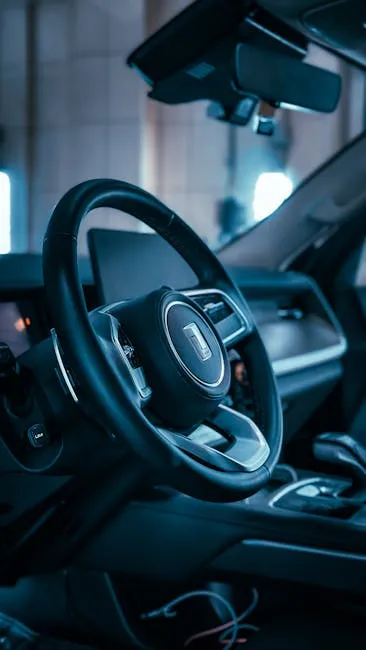
    At first glance, the Ojai looks like a modern, sleek electric vehicle. Under the hood, however, it operates as a highly sophisticated mobile computer. Unlike traditional cars designed around a human driver, the Ojai was built from the ground up for autonomous operation. The cabin features a symmetrical layout with two forward-facing seats, eliminating the need for a steering wheel or pedals. This design prioritizes passenger comfort and maximizes interior space, turning what used to be a driver’s cockpit into a relaxed lounge for riders.

    One of the most notable aspects of the Ojai is its manufacturing origin. The vehicles are produced through a partnership that leverages advanced Chinese electric vehicle manufacturing capabilities. This strategic move highlights a growing trend in the tech and automotive industries: global supply chains are becoming the backbone of next-generation mobility. By tapping into established EV production networks, Waymo can scale its fleet more efficiently while keeping costs manageable, which is essential for making robotaxi services economically viable for the general public.

    How the Ride Experience Will Change

    For residents in Arizona and California, the arrival of the Ojai means a noticeable shift in how they navigate their cities. Once the public launch begins, riders will be able to request a ride through Waymo’s existing app, just as they do today. The difference lies in the vehicle itself. The pale-blue fleet is equipped with upgraded sensor arrays, including high-resolution cameras, radar, and lidar, all working in tandem to map the environment in real-time.

    The user experience is designed to be seamless. There’s no need to worry about a human driver’s mood or route preferences. The AI handles everything from lane changes to navigating complex intersections. Safety remains the top priority, with multiple redundant systems ensuring that the car can respond to unexpected obstacles, pedestrians, or sudden weather changes. The smooth, predictable driving style that Waymo has become known for is expected to carry over, but with improved efficiency and a more refined interior.

    The Technology Powering the Drive

    Beneath the polished exterior lies a complex fusion of artificial intelligence and computer vision. The Ojai relies on deep learning models that have been trained on millions of miles of real-world driving data. These models allow the vehicle to anticipate the behavior of other road users, predict traffic flow, and make split-second decisions that prioritize safety and efficiency.

    • Real-Time Mapping: The car builds a high-definition 3D map of its surroundings instantly, identifying everything from road signs to temporary construction barriers.
    • Predictive AI: Instead of just reacting to what’s happening now, the system forecasts potential scenarios, such as a ball rolling into the street or a cyclist making a sudden turn.
    • Redundant Safety Systems: Multiple independent computing units ensure that if one system encounters an issue, another can seamlessly take over to bring the vehicle to a safe stop.

    This technological stack is what separates modern robotaxis from early autonomous prototypes. It’s not just about driving without a human; it’s about driving better than a human in terms of consistency, reaction time, and adherence to traffic laws.

    What This Means for Urban Mobility

    The expansion of the Ojai fleet is more than just a product launch; it’s a test case for the future of urban transportation. Cities have long struggled with congestion, parking shortages, and the environmental toll

    AI in transportation autonomous vehicles robotaxi self-driving technology Waymo
    Share. Facebook Twitter Pinterest LinkedIn Tumblr Email
    Previous ArticleAmazon Solves a Critical Data Center Networking Problem to Power the Next Generation of Cloud AI
    Next Article The Vatican’s Unlikely AI Ambassador: How Pope Leo XIV is Shaping Silicon Valley
    Felipe

    Related Posts

    AI

    Amazon’s AI ‘Good Advice Cupcake’ Series Ignites Creator Backlash Over Licensing and Consent

    June 2, 2026
    AI

    The ‘Future of Truth’ Controversy: What Happens When Authors Rely Too Much on AI

    June 2, 2026
    AI

    From Motors to Machine Learning: How Turkey Transformed the Hair Transplant Industry

    June 2, 2026
    Add A Comment

    Comments are closed.

    Top Posts

    WordPress Hosting Speed Battle 2025: We Tested 5 Hosts with 100k Monthly Visitors

    January 21, 20251,195 Views

    In-Depth Comparison: Claude vs. ChatGPT – Which AI Is Right for 2025?

    February 6, 2025292 Views

    10 Proven EmailSubject Line Strategies to Boost Open Rates by 50%

    January 21, 2025218 Views
    Stay In Touch
    • Facebook
    • YouTube
    • TikTok
    • WhatsApp
    • Twitter
    • Instagram
    Latest Reviews
    Blog

    Claude vs. ChatGPT: Which AI Assistant is Better?

    FelipeOctober 1, 2024
    Editor's Picks

    Top 10 Cybersecurity Practices for Online Privacy Protection

    FelipeSeptember 11, 2024
    Blog

    Top Tech Gadgets That Are Actually Worth Your Money in 2025

    FelipeSeptember 7, 2024

    Subscribe to Updates

    Get the latest tech news from FooBar about tech, design and biz.

    Most Popular

    WordPress Hosting Speed Battle 2025: We Tested 5 Hosts with 100k Monthly Visitors

    January 21, 20251,195 Views

    In-Depth Comparison: Claude vs. ChatGPT – Which AI Is Right for 2025?

    February 6, 2025292 Views

    10 Proven EmailSubject Line Strategies to Boost Open Rates by 50%

    January 21, 2025218 Views
    Our Picks

    The ‘Future of Truth’ Controversy: What Happens When Authors Rely Too Much on AI

    June 2, 2026

    Amazon’s AI ‘Good Advice Cupcake’ Series Ignites Creator Backlash Over Licensing and Consent

    June 2, 2026

    From Motors to Machine Learning: How Turkey Transformed the Hair Transplant Industry

    June 2, 2026

    Subscribe to Updates

    Get the latest creative news from FooBar about art, design and business.

    Facebook X (Twitter) Instagram Pinterest
    • Home
    • Tech
    • AI Tools
    • SEO
    • About us
    • Privacy Policy
    • Terms & Condtions
    • Disclaimer
    • Get In Touch
    © 2026 Aipowerss. All Rights Reserved.

    Type above and press Enter to search. Press Esc to cancel.