


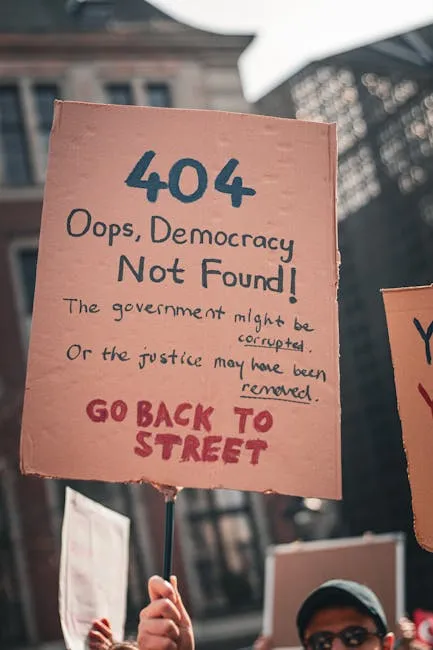
For years, the public conversation around emerging technology has largely been a debate between two camps: those who view artificial intelligence as the next great economic leap, and those who worry deeply about its societal consequences. But recent documents obtained by WIRED reveal that this divide is no longer confined to academic journals, Twitter threads, or congressional hearings. United States law enforcement agencies are now issuing formal warnings about a rapidly emerging category of domestic threat: anti-tech extremism.
The Shift From Skepticism to Extremism
What exactly does anti-tech extremism look like in practice? Historically, opposition to technological advancement has manifested as labor strikes, regulatory pushback, or community protests. While those are legitimate democratic responses, federal agencies are now tracking a more radicalized fringe. This group views rapid technological deployment not as progress, but as an existential threat to traditional livelihoods, local ecosystems, and even national sovereignty. When frustration boils over into coordinated harassment of tech executives, threats against infrastructure, or organized campaigns to sabotage AI research facilities, the line between civic concern and extremism begins to blur.
AI Anxiety and the Fear of Economic Displacement
At the heart of this growing hostility is a very real, very widespread fear: the looming risk of job displacement. Artificial intelligence is no longer a futuristic concept; it is actively rewriting job descriptions, automating customer service, streamlining logistics, and even generating creative content. For millions of Americans, the promise of efficiency feels like a threat to their paycheck.
This anxiety is not unfounded. While AI undoubtedly creates new roles, the transition period is often painful and uneven. Workers in traditional industries are watching their skill sets become obsolete faster than retraining programs can keep up. When people feel economically vulnerable, they naturally look for a target. In this case, that target is the technology itself, and by extension, the companies and researchers building it. Law enforcement recognizes that economic desperation, when left unaddressed, can easily be weaponized by radicalized online communities.
Data Centers and the Local Impact
Alongside AI software fears, there is a second, highly visible flashpoint: the physical infrastructure required to power it all. Data centers are expanding at an unprecedented rate across the country. These massive facilities consume staggering amounts of electricity and water, often straining local power grids and municipal resources. For communities suddenly finding themselves in the shadow of a proposed server farm, the abstract concept of AI becomes a very concrete neighborhood problem.
Residents are raising legitimate questions about environmental sustainability, rising utility costs, noise pollution, and property values. When tech companies prioritize speed and scale over community consultation, resentment builds. In some cases, that resentment is being channeled into extreme opposition, with activists threatening to block construction, vandalize equipment, or disrupt power supplies. Federal agencies are now preparing for the possibility that these local grievances could escalate into coordinated attacks on critical tech infrastructure.
What Law Enforcement Is Tracking
According to the leaked documents, federal agencies are closely monitoring several key indicators:
- Online radicalization pathways: How everyday frustration is being amplified by extremist forums that frame AI and data infrastructure as tools of corporate or government oppression.
- Infrastructure targeting: Plans or rhetoric focused on disrupting server farms, research campuses, and executive residences.
- Cross-movement alliances: The merging of labor advocates, environmental activists, and anti-establishment groups into a unified front against tech expansion.
The goal of these warnings is not to suppress legitimate protest or ignore valid public concerns. Rather, it is a proactive measure to prevent isolated grievances from spiraling into violence or widespread infrastructure sabotage. Law enforcement agencies are increasingly treating tech facilities with the same level of protective scrutiny applied to power plants and financial institutions.
Finding Common Ground in a Divided Landscape
Addressing anti-tech extremism requires more than just increased security patrols. It demands a fundamental shift in how technology is developed, deployed, and communicated to the public. The tech industry cannot afford to operate in a vacuum, assuming that efficiency and innovation will speak for themselves. Communities need a seat at the table when data centers are planned. Workers need transparent pathways for reskilling and economic transition. Policymakers need to establish clear guardrails that prioritize safety, sustainability, and fair labor practices.
When people feel heard and protected, the fuel for extremism burns out. The rise of anti-tech sentiment is a warning sign, but it is also an opportunity. By acknowledging the very real anxieties driving this movement, we can build a technological future that doesn’t leave people behind, and doesn’t paint a target on the backs of those trying to move forward.
