


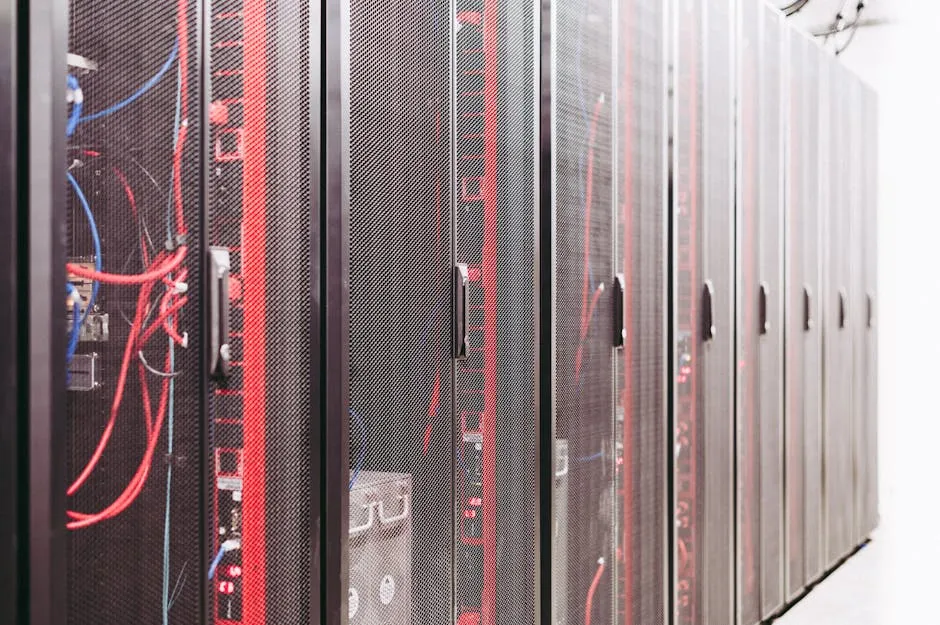
In a move that underscores the immense energy demands of modern artificial intelligence, Elon Musk’s SpaceX is reportedly committing a staggering $2.8 billion to purchase gas turbines. The investment is intended to power a new network of AI data centers, signaling a major escalation in the race to build the computational backbone for the next generation of machine learning models.
The news, first reported by Wired, reveals a direct link between the ambitions of Musk’s AI venture, xAI, and the industrial-scale energy infrastructure being built by his aerospace company. While SpaceX is best known for its rockets and Starlink satellites, this deal highlights a stark reality: the future of AI is not just about software and chips, but also about massive, reliable, and often controversial power sources.
The Energy Appetite of AI
To understand why a space exploration company is buying power plant equipment, you have to look at the sheer scale of modern AI training. Large language models like Grok, xAI’s flagship product, require enormous clusters of GPUs (graphics processing units) running 24/7. These clusters generate immense heat and consume electricity at rates comparable to small cities.
As xAI pushes to compete with the likes of OpenAI and Google, it needs to scale its computing capacity rapidly. The most direct way to do this is to build dedicated data centers. The challenge, however, is securing enough power to run them. In many parts of the United States, the existing electrical grid is already strained, and getting permits for new high-capacity connections can take years.
This is where the gas turbines come in. By building their own on-site power generation, Musk’s companies can bypass the grid bottleneck. They can build data centers in locations that have the physical space and natural gas pipelines, even if they lack sufficient electrical infrastructure. This approach provides a level of energy independence and speed that is highly attractive for a company in a hurry.
The Gas Turbine Strategy: Speed vs. Sustainability
The $2.8 billion price tag is enormous, but it’s a calculated investment. Gas turbines are a mature, proven technology. They can be deployed relatively quickly compared to building new power plants and transmission lines from scratch. For a company like SpaceX, which is used to manufacturing complex hardware at scale, procuring and operating these turbines is a logical extension of its core engineering capabilities.
However, this strategy is not without its critics. The decision to rely heavily on natural gas has drawn complaints from environmental groups and local communities. Burning natural gas releases carbon dioxide and other pollutants, contributing to climate change. This is a particularly sensitive point for Musk, who has built a public image around sustainable energy through Tesla and SolarCity.
The irony is not lost on observers. The same man who wants to electrify the world’s transportation is now building what will effectively be a fleet of gas-fired power plants to power his AI ambitions. While Musk has argued that natural gas is a necessary “bridge fuel” and that the immediate need for AI compute power justifies the environmental cost, the move highlights the difficult trade-offs inherent in rapidly scaling energy-intensive technology.
Becoming a Major Player in Cloud Computing
This massive infrastructure investment isn’t just about training Grok. It’s also a strategic play to become a major player in the broader cloud computing market. With its own data centers and power generation, xAI (and potentially SpaceX) could offer cloud services to other companies. This would put them in direct competition with the “Big Three” cloud providers: Amazon Web Services (AWS), Microsoft Azure, and Google Cloud.
The demand for AI-specific cloud services is exploding. Companies of all sizes want to train and run their own AI models, but they lack the specialized hardware and infrastructure. By offering “AI-as-a-service” on its own powerful, self-powered hardware, Musk’s empire could capture a significant slice of this lucrative market.
This vertical integration—controlling the hardware, the energy source, the data center, and the AI model—gives xAI a unique competitive advantage. It can optimize every layer of the stack for performance and cost, potentially offering better performance per dollar than competitors who rely on third-party energy and infrastructure.
The Broader Implications for the Tech Industry
SpaceX’s investment is a bellwether for the entire tech industry. The race for AI dominance is driving an unprecedented demand for energy. We are likely to see more tech giants making similar moves—building their own power plants, signing long-term power purchase agreements with nuclear and renewable energy providers, and even exploring small modular nuclear reactors (SMRs).
This trend has several major implications:
- Strain on Natural Gas Supplies: A surge in demand from data centers could drive up natural gas prices and increase competition for pipeline capacity.
- Accelerated Grid Modernization: The pressure from tech companies may force utilities and regulators to modernize the grid faster, potentially paving the way for new transmission projects and energy storage solutions.
- Environmental Backlash: The carbon footprint of AI will become a major public relations and regulatory battleground. We can expect more lawsuits, protests, and demands for transparency from environmental groups.
- New Business Models: We may see the rise of “energy-as-a-service” companies that specialize in building and operating power infrastructure specifically for data centers.
Conclusion
SpaceX’s $2.8 billion investment in gas turbines is more than just a large purchase order. It is a strategic declaration of intent. It signals that Elon Musk is betting big on the future of AI and is willing to spend whatever it takes—and make whatever compromises are necessary—to secure the energy and infrastructure required to win. While the environmental concerns are valid and significant, the move highlights a fundamental truth of the AI era: the future is being built not just in code and silicon, but in steel, concrete, and the very power that makes it all run. This is a story we will be following closely as the energy needs of AI continue to reshape the world around us.
