


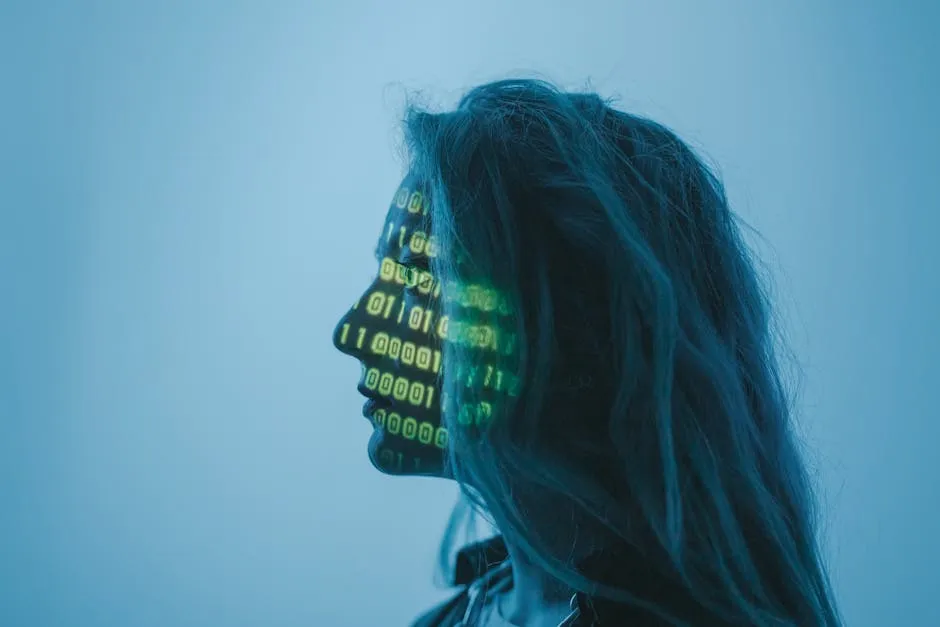
Google is making it significantly easier to create a digital version of yourself. The company has rolled out a major update to its AI creation platform, Flow, introducing a powerful new video model and a tool specifically designed to generate personalized selfie videos, which Google is calling “avatars.”
This development represents a significant leap forward in the accessibility of AI-generated video. While creating a convincing deepfake has traditionally required technical expertise, powerful hardware, and a considerable investment of time, Google’s new tools aim to put this capability into the hands of virtually anyone with an internet connection.
What is Google Flow and What’s New?
Google Flow is the tech giant’s evolving suite of AI-powered creation tools. Think of it as a creative studio where you can generate images, videos, and other media using the power of Google’s most advanced AI models. The latest overhaul brings two headline features to the forefront.
The New Video Model
First, there is a new, unspecified video generation model. While Google has been tight-lipped about the specific technical details—such as its name or the exact architecture used—the model is clearly designed to produce high-quality, coherent video clips from text prompts. This is a direct challenge to other video generation models like OpenAI’s Sora and Meta’s Emu Video. The goal is to make video creation as simple as typing a sentence, allowing users to generate dynamic scenes, animate concepts, and produce short films without any traditional video editing skills.
The Avatar Tool: Your Digital Twin
The second, and arguably more attention-grabbing feature, is the new avatar tool. This is where the “deepfake yourself” aspect comes into play. The tool allows a user to upload a short video of themselves. The AI then analyzes the video, learning the unique nuances of the user’s facial expressions, head movements, and vocal patterns. Once trained, the user can type in a script, and the AI will generate a new video of the avatar speaking that script with remarkably realistic lip-syncing and natural-looking gestures.
This is not a simple filter or a static image that moves. It’s a dynamic, AI-generated video that mimics the user’s likeness and mannerisms. The potential applications are vast, from creating personalized video messages for friends and family to generating realistic presenters for a business presentation or educational content.
The Implications: Powerful Tool or Pandora’s Box?
The ability to generate a realistic video of a person saying anything you want is a double-edged sword. Google is stepping into a space that is fraught with ethical and security concerns. The term “deepfake” has a negative connotation for good reason, often being associated with misinformation, non-consensual pornography, and fraud.
Google is not blind to these risks. The company has stated that it is implementing safeguards to prevent misuse, though the specific details of these protections were not fully outlined in the initial announcement. It is likely that the system will include:
- Watermarking: A digital, invisible watermark that identifies the video as AI-generated.
- Consent Verification: A process to ensure the person being “deepfaked” has given explicit consent.
- Content Moderation: Filters to prevent the generation of harmful, misleading, or explicit content.
Despite these measures, the technology will inevitably be tested. The cat-and-mouse game between AI generation and AI detection is about to intensify. The core question is not whether Google can build this, but whether society can build the guardrails necessary to use it responsibly.
Use Cases: From Personal to Professional
While the potential for harm is real, the legitimate use cases for this technology are equally compelling.
Personal Communication
Imagine creating a personalized, interactive story for your child where the characters speak and move like you. Or sending a video message to a loved one that feels incredibly personal and present, even when you are thousands of miles away.
Business and Marketing
Companies could use the avatar tool to create personalized sales pitches, customer support videos, or training materials. Instead of a generic video, a brand could send a message from a “digital representative” that looks and sounds like a real person, increasing engagement and trust. It could also be used to create multilingual content, with the avatar speaking in different languages while retaining the user’s original voice and mannerisms.
Content Creation
YouTubers, educators, and social media influencers could use the tool to produce content more efficiently. They could create a video without having to set up a studio, do their hair and makeup, or even be in a quiet room. They simply type a script, and their avatar delivers it perfectly.
A New Era of AI Video
Google’s update to Flow is a clear signal that the era of accessible, high-quality AI video generation is here. The company is betting that the benefits of this technology will outweigh the risks, and they are racing to establish a leadership position in a market that is expected to explode in the coming years.
The “deepfake yourself” feature is a stark reminder of how fast the line between reality and simulation is blurring. As these tools become more common, our ability to trust what we see on a screen will be challenged. The responsibility now falls on both the creators of the technology and the users to navigate this new landscape with caution, creativity, and a strong ethical compass.
Ultimately, Google has handed us a powerful new brush. Whether we use it to paint a masterpiece or to spread confusion will define the next chapter of our digital lives.
