


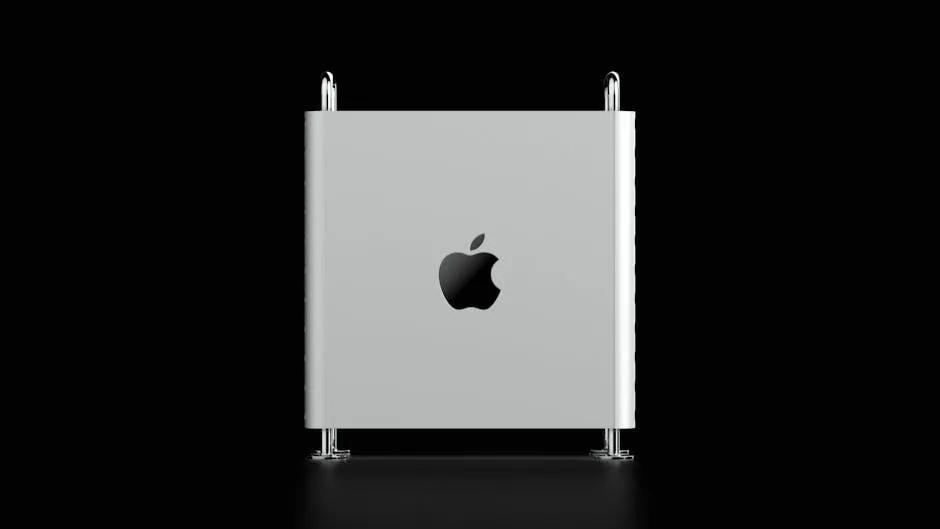
Apple Warns of Mac Shortages as AI Demand Surges Beyond Expectations
In a surprising development for the tech industry, Apple has publicly acknowledged that it faces significant supply constraints on several of its most popular Mac models for the upcoming quarter. This news has sent ripples through the computer market, highlighting a critical shift in consumer demand driven by the rapid advancement of artificial intelligence.
The Specific Models Affected
According to recent reports, the shortage specifically impacts the Mac mini, the high-performance Mac Studio, and the newly introduced Neo model. For consumers waiting for these devices, the wait times are expected to extend beyond standard estimates. This situation is particularly notable because Apple has recently been pushing its hardware lineup forward with powerful new chips designed to run advanced AI features locally on the device.
When a major technology company like Apple admits to supply constraints, it is rarely due to simple manufacturing hiccups. Instead, it usually points to a demand curve that has steepened far faster than the company anticipated. In this case, the culprit is not a lack of interest in computers, but an overwhelming desire for hardware that can effectively leverage the new wave of generative AI applications.
AI Is Driving Hardware Consumption
To understand why Macs are selling out so quickly, one must look at how Apple Intelligence and similar AI frameworks are changing user behavior. Previously, users might have purchased a Mac for general productivity—word processing, web browsing, and media editing. Today, the requirement to run complex AI models has raised the bar. The new Mac chips are optimized for these workloads, meaning that if a user wants to experience the latest AI tools, they cannot do so on older hardware.
This creates a “lock-in” effect where the most capable AI features require the most powerful Macs. Consequently, demand concentrates on the Mac mini and Mac Studio, which offer the necessary processing power. The Neo model, designed for more accessible entry points, is also seeing unexpected uptake, likely as users try to get into the AI ecosystem with the lowest possible barrier to entry.
Supply Chain Realities in the Age of AI
Manufacturing high-performance AI processors is inherently difficult. These chips require specialized memory, complex cooling systems, and massive semiconductor production capacity. While Apple has been expanding its manufacturing partners, the sheer volume of demand is outpacing the ability to build these devices quickly. This is a classic case of supply chain reality meeting explosive innovation.
Furthermore, the supply of memory and storage components required for running local AI models is often constrained globally. As more businesses and individuals adopt AI workflows, the demand for memory-intensive hardware grows. Apple’s admission of supply constraints signals that the industry is in a temporary bottleneck where demand exceeds the rate at which new manufacturing capacity can be brought online.
What This Means for Buyers and Developers
For individual buyers, this news suggests that purchasing a new Mac in the immediate future might require flexibility regarding delivery dates. For developers and creative professionals, the implications are different. The shortage validates the market need for Apple’s silicon. It proves that the AI features are not just marketing fluff but are driving tangible hardware sales.
Developers building AI applications for the Mac ecosystem will find that users are eager to adopt these tools, provided the hardware is available. This trend indicates that the next few quarters will be defined by a “hardware catch-up” phase, where manufacturers work hard to catch up with the demand generated by software innovation.
Conclusion
The supply constraints on the Mac mini, Mac Studio, and Neo models serve as a clear indicator of where the technology industry is heading. Artificial intelligence is no longer a peripheral feature; it is a central driver of the next computing revolution. Apple’s surprise at the level of demand underscores how quickly consumer expectations have evolved. As AI capabilities expand, the hardware required to support them will continue to see intense competition for availability. For now, buyers must be patient, and manufacturers must work harder to keep up with the momentum of the AI revolution.
