


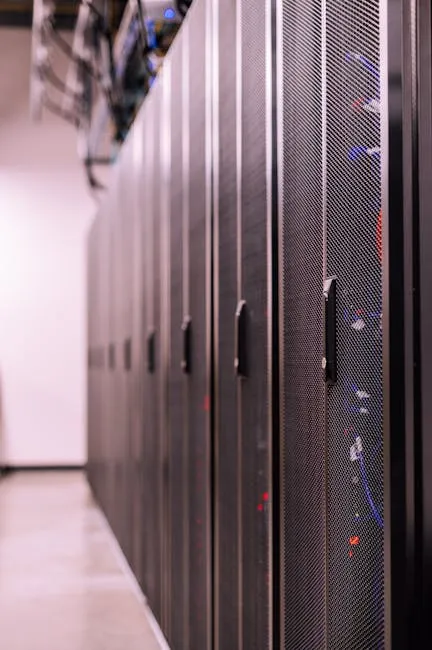
We usually imagine data centers as massive concrete structures buried deep underground or sitting on flat plains. However, a new wave of technology is reshaping that image. Instead of looking to the stars for solutions, tech developers are turning their gaze toward the ocean. Aikido, an offshore wind developer, has announced plans to deploy a small data center beneath a floating offshore wind turbine later this year. This initiative represents a fascinating shift in how we think about computing infrastructure.
A New Approach to Heat Management
The primary challenge facing any data center is heat management. Servers generate immense amounts of heat, requiring significant energy to cool them down. Traditional facilities rely on complex HVAC systems that consume vast amounts of electricity and water. Ocean environments offer a natural alternative.
Natural Cooling: By placing servers beneath the surface, Aikido can utilize cold seawater for cooling without the need for excessive energy input. This not only reduces operational costs but also minimizes the carbon footprint associated with running the facilities.
- Proximity to Power: Offshore wind turbines generate renewable electricity right next to where it is needed.
- Reduced Transmission Loss: Generating power and processing data in the same location cuts down on transmission losses over long distances.
The Space vs. Sea Conundrum
This development might seem to make headlines that discuss space-based computing obsolete, but the comparison to orbital data centers highlights a different kind of innovation. While placing servers in space avoids Earth’s gravity and atmosphere, building them offshore leverages existing renewable energy grids.
Satellite data centers face hurdles like radiation shielding and high launch costs. In contrast, an underwater facility under a turbine integrates directly into the energy ecosystem. It is a practical solution for handling the growing demands of artificial intelligence models, which require massive compute power and cooling capacities.
The Path Forward for Green Tech
This project signals that sustainability in technology isn’t just about buying solar panels; it’s about integrating hardware with renewable generation sources. As data consumption continues to rise, particularly for AI training and inference, locating infrastructure where clean energy is most abundant becomes a strategic necessity.
By floating offshore, we aren’t just saving land space; we are cooling servers more efficiently while generating green power simultaneously. This model could soon be adopted by other hyperscalers looking to meet strict ESG goals. We might be moving toward an era where the ocean serves as both our coolant and our charger.
