


When we talk about data centers today, images of massive concrete structures sitting next to high-voltage transmission lines often come to mind. Sometimes, futuristic visions even place them in orbit around the Earth. But a new approach is emerging that might just change how we think about infrastructure.
A New Location for Computing
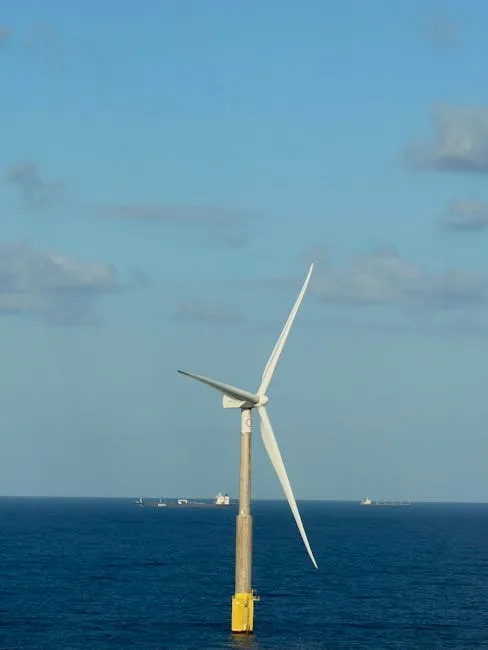
Offshore wind developer Aikido is set to deploy a small data center beneath a floating offshore wind turbine later this year. This project represents a significant shift in strategy, moving critical computing hardware closer to its power source.
Instead of relying on long-distance transmission that results in energy loss, the data center sits literally underneath the machinery generating the electricity. This co-location ensures that the renewable energy produced is consumed immediately by the computing tasks running within the facility.
The Benefits of Underwater Cooling
One of the biggest challenges for modern data centers is heat management. Servers generate immense amounts of heat, requiring sophisticated cooling systems that consume significant power. By placing a unit beneath an offshore turbine, developers gain access to the ocean’s natural cooling properties.
This environment allows for passive cooling or more efficient active cooling methods using seawater. The result is a lower temperature environment for hardware, which extends the lifespan of equipment and reduces the energy required to keep systems running smoothly. It is a win-win scenario for both performance and sustainability.
Sustainability at Scale
The tech industry is under increasing pressure to reduce its carbon footprint. Traditional data centers often rely on fossil fuels or grid electricity that isn’t green. By integrating with offshore wind farms, this solution directly addresses the energy source issue.
This development aligns with broader goals of clean energy innovation. As artificial intelligence models grow larger and more complex, their power demands skyrocket. Finding sustainable ways to feed these hungry algorithms is crucial for the future of technology. This project proves that infrastructure doesn’t always need to be land-based; sometimes, looking out at the horizon provides the best answers.
As we continue to refine our understanding of digital infrastructure, projects like Aikido’s serve as a blueprint for the next generation of tech hubs. They remind us that innovation often comes from combining existing technologies in unexpected ways.
