


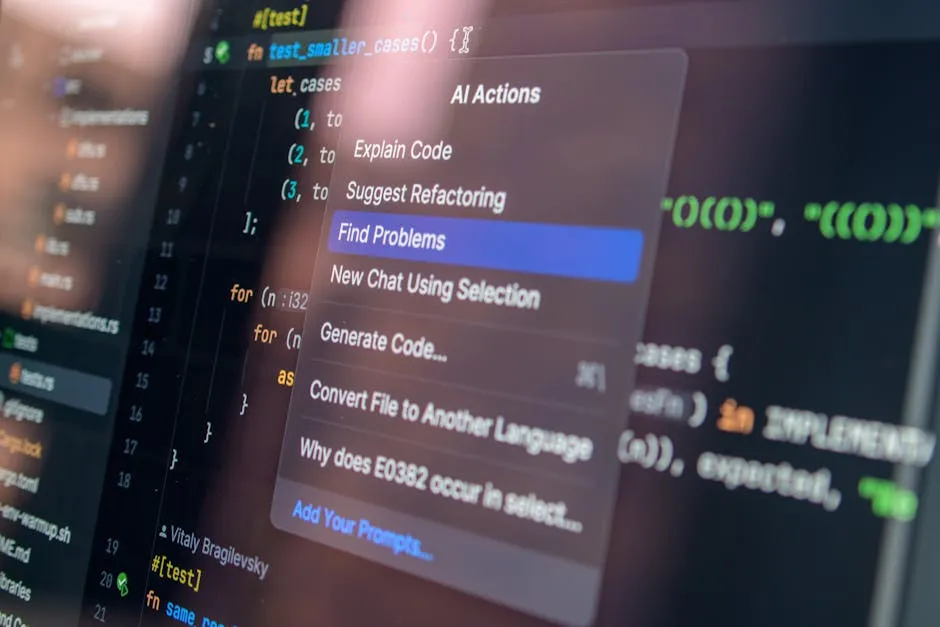
The Changing Landscape of Software
For years, the Software-as-a-Service (SaaS) model has been the undisputed king of the business world. Companies large and small migrated their operations to the cloud, subscribing to a myriad of tools for everything from customer management to project collaboration. The promise was clear: scalability, automatic updates, and reduced IT overhead. But a new conversation is emerging, one that some are dramatically calling the “SaaSpocalypse.” So, what’s really happening?
It’s not that SaaS is disappearing. Far from it. The core model of delivering software over the internet remains robust. Instead, a powerful new force is reshaping the very foundation upon which many SaaS businesses were built, challenging their value propositions and forcing a fundamental evolution.
The New Supreme: The AI Revolution
The primary driver behind this industry shift is the rapid and pervasive rise of artificial intelligence. AI is not just another feature to be bolted onto existing software; it’s a paradigm shift. It’s changing how we interact with technology, what we expect from it, and what constitutes a competitive product.
Traditional SaaS tools often excelled at data storage, workflow automation, and providing a user interface for specific tasks. AI, however, introduces capabilities like predictive analytics, natural language processing, and autonomous task completion. This means the value is increasingly shifting from the software platform itself to the intelligence layer that operates on top of it. A new supreme has risen, and its name is AI.
How AI is Reshaping the SaaS World
This transformation manifests in several key ways:
- Consolidation and Integration: Why use five separate SaaS tools when one AI-powered platform can understand your goal and execute the necessary steps across different functions? AI agents and unified platforms are pushing for consolidation, reducing the need for a sprawling “stack” of single-purpose subscriptions.
- From Tools to Co-pilots: SaaS was about providing tools. AI-native software aims to be a co-pilot or even an autonomous agent. The question is no longer “Does this software help me do the task?” but “Can this AI do the task for me, or with minimal guidance?”
- Rethinking the Value Proposition: For many legacy SaaS companies, their core data moat or proprietary workflow is being challenged by AI models that can be trained on similar data or replicate processes. Their unique selling point is under threat unless they deeply integrate AI not as a gimmick, but as the core engine.
- The Rise of AI-Native Startups: A wave of new companies is being built from the ground up with AI at their center. They aren’t adapting to the AI era; they are defining it. This creates intense competition for incumbent SaaS players who must retrofit often complex, older architectures.
It’s Not an Apocalypse, It’s an Evolution
Labeling this shift a “SaaSpocalypse” is catchy, but perhaps overly dire. This is less about destruction and more about metamorphosis. The most successful SaaS companies won’t be those that ignore AI, but those that successfully harness it to deliver unprecedented levels of efficiency, insight, and automation to their customers.
The era of passive software that simply stores and organizes information is giving way to an era of active, intelligent systems. For businesses, this means evaluating software purchases not just on features, but on the depth and utility of their AI capabilities. For the tech industry, it signals a thrilling, if challenging, new chapter where intelligence becomes the primary currency of value.
