


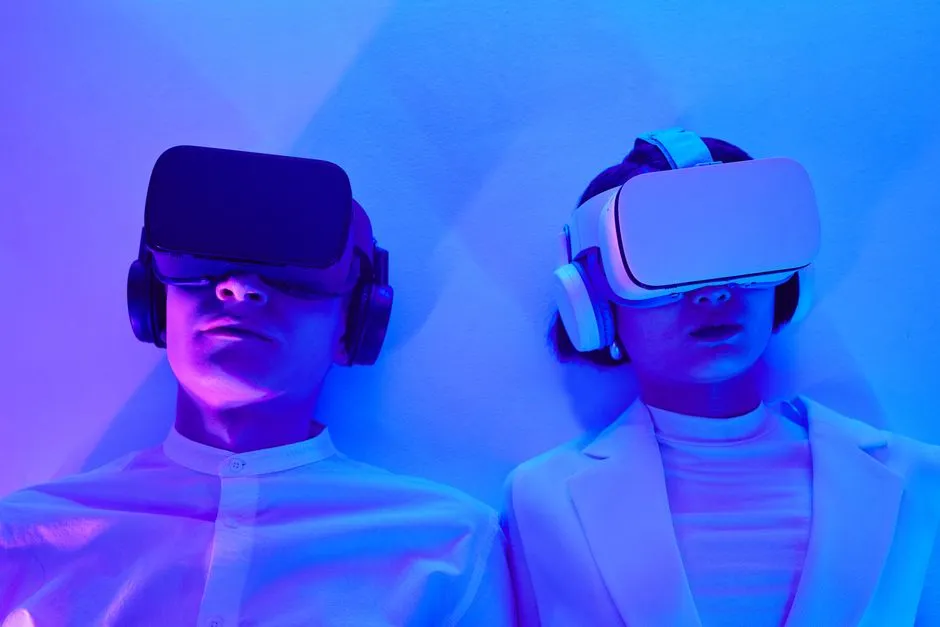
The phrase “the computer is changing shape” sounds simple at first, but it is actually one of the most important ideas in technology right now. For decades, we had a fairly clear mental image of what a computer was: a screen, a keyboard, a mouse, a browser, and a collection of apps. We opened a program, clicked through menus, typed commands, and waited for results. That model still exists, but it no longer represents the full picture. The computer is becoming more ambient, more intelligent, and more woven into daily life than ever before.
That shift opens up several fascinating rabbit holes—directions worth exploring if you want to understand where computing is heading. These are not just speculative guesses. They are trends already visible in products, research, and the way people interact with machines. Here are four rabbit holes that help explain how the computer is changing shape.
Rabbit Hole 1: The Screen Is Losing Its Monopoly
For most of the personal computing era, the screen was the center of everything. If you wanted to use a computer, you usually had to look at a display. That is changing. Today, computing is spreading into speakers, wearables, cars, home devices, glasses, and other form factors that do not revolve around a traditional monitor or phone screen.
This matters because it changes how people think about technology. Instead of asking, “What app should I open?” the question becomes, “What do I want to do right now?” The computer can appear as a voice, a notification, a wearable, or a smart surface in the room. The screen does not disappear, but it stops being the only doorway into computing.
In practical terms, this means we are moving toward a more fluid relationship with devices. You may check something on your phone, ask a voice assistant for a summary, glance at a wearable, and then let a smart system handle a task in the background. The computer is no longer one object on a desk. It is a network of endpoints that can take different shapes depending on the moment.
Rabbit Hole 2: AI Is Becoming the New Interface
Another major rabbit hole is the rise of artificial intelligence as the new way of interacting with computers. For a long time, software interfaces were built around forms, buttons, dropdowns, and navigation trees. That made sense when machines were simple and users had to be precise. But AI is changing that dynamic.
Instead of manually navigating a complex system, people can describe what they want in natural language. They can ask for a summary, a plan, a comparison, a draft, or a solution. The machine then helps translate that intent into action. This makes computing feel less like operating a tool and more like collaborating with a capable assistant.
This is one of the most important shifts because it lowers the barrier between human intent and digital output. You do not always need to know the exact button, the exact menu, or the exact format. You can express a goal, and the system can help you reach it. That changes not only how people use software, but also how software is designed. The future interface may be less about polished screens and more about intelligent response.
Rabbit Hole 3: Computing Is Moving Into the Physical World
The third rabbit hole is the move from purely digital spaces into physical ones. Computers are no longer just things we sit in front of. They are embedded in environments: in rooms, vehicles, factories, offices, and even personal accessories. This is where computing begins to feel less like an application and more like infrastructure.
When a device can sense context, location, activity, or environment, it can offer help without being explicitly commanded every time. A smart workspace can adjust lighting and notifications based on focus mode. A car can anticipate the next part of a trip. A wearable can track health signals and surface useful information at the right moment.
This is a big deal because it changes the relationship between people and machines. The computer is no longer something you go to. It is something that is already around you, quietly ready to assist. That is both exciting and complicated, because it raises questions about privacy, reliability, and how much autonomy we are comfortable giving to systems that operate in the background.
Rabbit Hole 4: The User Is Becoming a Director, Not Just a Clicker
The fourth rabbit hole is perhaps the most interesting from a human perspective: the role of the user is changing. For decades, most people interacted with computers by clicking, typing, and managing tasks step by step. That required patience, attention, and a certain amount of technical fluency.
Now, the user is increasingly becoming a director. Instead of performing every small action, people can set goals, give instructions, review outputs, and make decisions. The machine handles the repetitive work, while the human provides judgment, taste, and direction. This is especially true as AI agents become more capable of planning, executing, and coordinating multi-step tasks.
This shift changes what it means to be tech-savvy. It is no longer enough to know how to use a tool. The more valuable skill is knowing what to ask for, how to evaluate the result, and how to guide the system toward the right outcome. In other words, the human becomes less of an operator and more of a manager of intelligent systems.
What This Means for the Next Decade
When you put these four rabbit holes together, a clear pattern emerges. The computer is changing shape because it is becoming less centralized, less rigid, and more adaptive. It is spreading across devices, becoming more conversational, moving into the physical world, and shifting more responsibility toward intelligent systems.
That does not mean the traditional computer is going away. Screens, keyboards, and apps will remain important. But they will no longer be the whole story. The next phase of computing will be defined by flexibility: machines that can meet people where they are, in whatever form makes sense at the moment.
If you want to understand the future of technology, this is one of the most important places to look. The computer is not just getting faster or cheaper. It is becoming more present, more useful, and more integrated into the fabric of daily life. And that is a change worth paying close attention to.
Related read: How AI Is Reshaping Autonomous Transportation: From Driverless Cars to Smart Delivery Robots
