


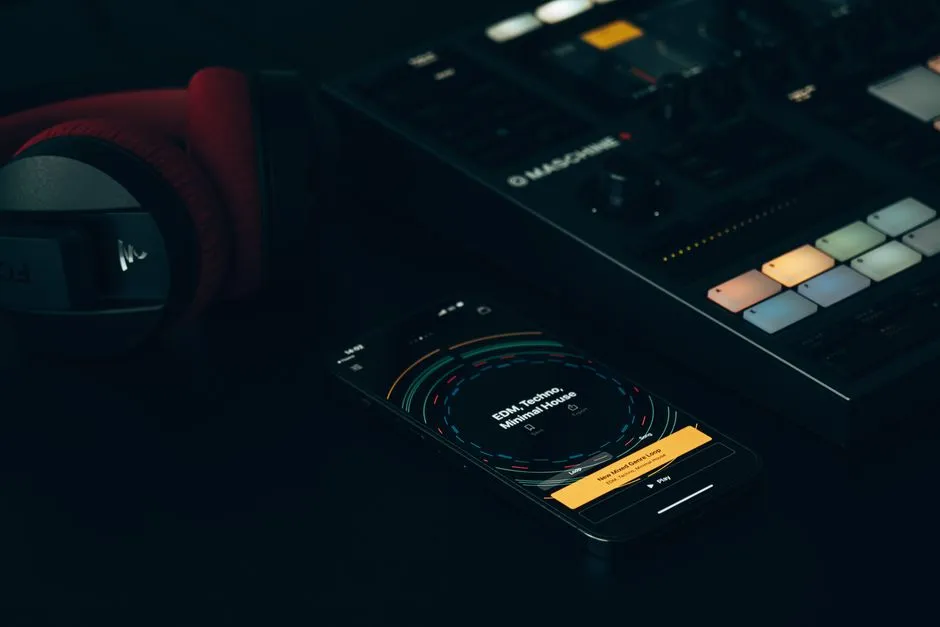
The internet loves a good mystery, and the latest one has landed squarely in the middle of the hip-hop world. Fenix Flexin’s track “Rubberz” has been climbing charts and playlists, but it isn’t just the beat that has people talking. A growing chorus of fans and critics are claiming that the song wasn’t made by a human at all—or at least, not entirely. The accusation? That “Rubberz” was generated by an AI music app, and that the app itself essentially “snitched” on its own creation.
It’s a wild scenario that raises a lot of questions. Can we actually tell the difference between human-made and machine-made music? Does it even matter if the song slaps? And what does this mean for the artists who are navigating a new world where artificial intelligence is not just a tool, but potentially a collaborator—or a competitor?
The Spark of the Controversy
For those just tuning in, the story begins with Fenix Flexin, a rapper known for his work in the Los Angeles drill scene and as a former member of the Shoreline Mafia collective. His latest single, “Rubberz,” has all the hallmarks of a summer anthem—a catchy hook, a heavy bassline, and that laid-back West Coast vibe. It’s the kind of track designed for late-night drives and pool parties.
But then, the narrative shifted. Listeners started pointing fingers, claiming that the song’s production and vocal delivery felt a little too clean, a little too algorithmic. The gossip mill went into overdrive when someone supposedly found evidence linking the track to an AI music generation platform. The idea that a major artist might be using AI to craft their “authentic” street anthems has sparked a fierce debate that goes far beyond just this one record.
Can You Actually Hear the AI?
This is the million-dollar question. Over the past couple of years, AI music generators have become incredibly sophisticated. We’ve moved past the era of robotic, glitchy soundscapes. Today’s models, like Suno and Udio, can produce stunningly realistic tracks that mimic specific genres, vocal styles, and even the subtle imperfections that make music feel “human.”
In the case of “Rubberz,” fans have pointed to a few specific “tells.” Some claim the ad-libs are too perfectly spaced, while others suggest the vocal inflections lack the organic grit that you’d expect from a drill rapper. However, for the average listener, these differences are nearly indistinguishable. The reality is that we are entering a phase where the “Uncanny Valley” for audio is rapidly shrinking. If a track is created with AI and then mastered and mixed by a professional, it is almost impossible to tell the difference with the naked ear.
The “Snitching” Mechanism
The most fascinating—and frankly, ironic—part of this story is the claim that the AI app “snitched.” In a genre where street credibility is everything, the idea that a piece of software would expose an artist’s secret is almost comedic. But how would this happen?
Most advanced AI music platforms embed metadata into the files they generate. This is often invisible to the listener but can be read by software and databases that track music rights and royalties. This metadata can include the name of the AI tool used, the specific model version, and even the original prompt that created the track. If “Rubberz” was distributed with this metadata intact, it would be a digital fingerprint that proves the song’s origin.
Whether this metadata leak is what actually happened remains to be seen, but it highlights a significant issue for artists: AI is not invisible. If you use it, there is a chance the technology will leave a trail of breadcrumbs leading right back to the algorithm.
Why This Matters for the Music Industry
This controversy is more than just gossip about one artist. It sits at the heart of a massive, industry-wide reckoning. As AI tools become more accessible, the definition of a “songwriter” or “producer” is being challenged. If a rapper feeds a prompt into a generator and gets a beat and a hook back, who owns the copyright? Who gets the publishing royalties?
There is also the question of artistry. Fans often connect with music because it is a window into the artist’s soul. We want to hear about their struggles, their triumphs, and their pain. If that pain is being processed through a machine that regurgitates patterns based on data, does it lose its emotional weight?
However, it’s also worth noting that artists have always used technology to enhance their sound—from autotune to drum machines. AI is just the next step in that evolution. The difference here is the scale. AI can generate an entire song in seconds, which raises the question: are we looking at a new creative tool, or a shortcut that cheapens the art form?
Will Anyone Actually Care?
Despite the firestorm on social media, the most likely outcome is that this controversy will barely dent the song’s success. History has shown us that the general public often values the product over the process. If “Rubberz” is a hit, it is a hit. Whether it was created by Fenix Flexin, a producer, or a prompt engineer, the vibe is the vibe.
There is a precedent for this. In other creative fields, we’ve seen audiences initially balk at AI-generated art, only to eventually accept it if it is aesthetically pleasing. The “snitching” element might make for a great headline, but it is unlikely to make listeners stop streaming a song they love.
The Future of AI in Music
Regardless of what happens with Fenix Flexin, the genie is out of the bottle. AI is here to stay in the music industry. We are seeing the rise of virtual artists who are entirely AI-generated, and established musicians using AI to clear up vocal tracks or generate new ideas for demos.
The key takeaway from the “Rubberz” drama is that we need to have a broader conversation about transparency. Should artists be required to disclose their use of AI? Or is that an unreasonable invasion of the creative process? As listeners, we have to decide what we value more: the authenticity of the artist’s story, or the quality of the final track.
Final Thoughts
The “Rubberz” controversy is a fascinating case study for the digital age. It shows how quickly a rumor can spread, how sophisticated AI has become, and how blurry the lines are between human and machine creativity. While we might not know the full truth behind the track’s creation, the debate it has sparked is incredibly healthy for the culture.
It forces us to ask difficult questions about the future of art in an automated world. Will we embrace the efficiency and novelty of AI, or will we cling to the grit and glory of human imperfection? For now, the only thing we can do is listen, debate, and watch closely to see what the next hit song—and the next scandal—brings.
