


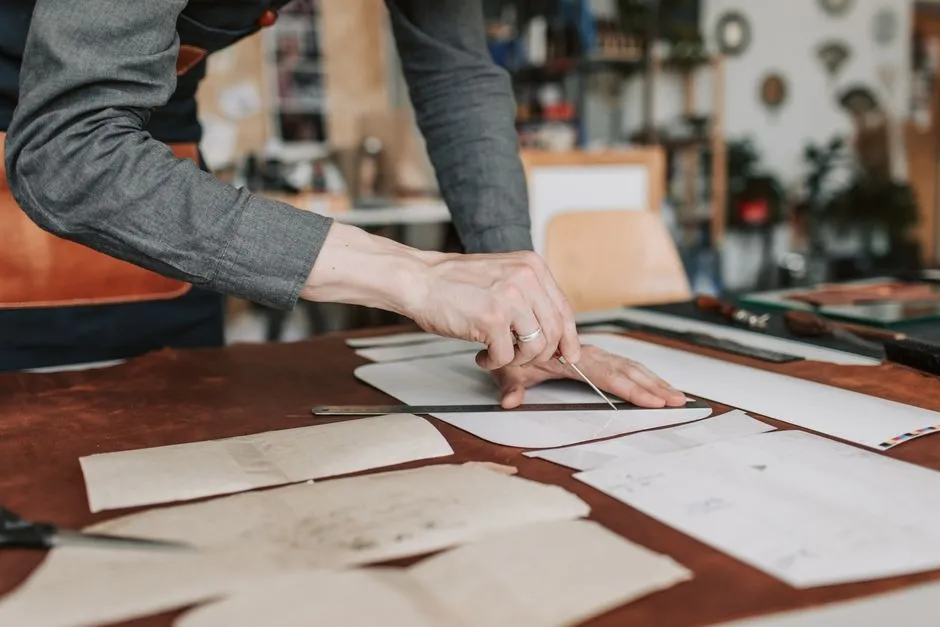
For over a decade, Etsy held a unique place in the digital landscape. It was more than just a shopping website; it was a cultural archive of independent creativity. Browsing the platform felt like wandering through a sprawling, eclectic craft fair. You could stumble upon hand-carved wooden toys, vintage band posters, custom pet portraits, and yes, even the famously quirky vulva jewelry that became an unofficial mascot of the site’s early, unfiltered charm. The promise was simple: buy directly from the people who actually made the things you loved.
But walk through the digital aisles today, and that familiar atmosphere feels fundamentally different. The platform that once championed the slow, deliberate pace of handcrafting is now being flooded with mass-produced inventory and AI-generated knockoffs. As a result, a quiet exodus is underway. Longtime artisans and independent sellers are packing up their virtual stalls and looking elsewhere, leaving behind a marketplace that is struggling to reconcile its original mission with the realities of modern e-commerce.
The Original Promise of the Handmade Marketplace
Etsy was built on a foundation of human connection. In its early years, the platform thrived because it offered something big-box retailers and massive online marketplaces simply could not: authenticity. Buyers weren’t just purchasing a product; they were investing in a story, a skill, and often a direct relationship with the creator. This model empowered small business owners, hobbyists, and craftspeople to turn their passions into viable livelihoods without needing a physical storefront or a massive marketing budget.
The culture that grew around this model was intentionally niche. It celebrated imperfection, uniqueness, and the tangible evidence of human hands at work. Whether it was a hand-knitted sweater, a screen-printed tote bag, or a custom piece of jewelry, the value lay in the process. That process was the product.
The Flood of Mass-Produced and AI-Generated Goods
As the platform grew, so did the pressure to scale. The introduction of relaxed policies around what could be sold, combined with the rise of print-on-demand services and dropshipping networks, opened the floodgates. Suddenly, listings for handmade candles or custom artwork could be fulfilled by overseas factories with zero human touch involved in the actual creation.
When Algorithms Favor Volume Over Craft
The shift accelerated dramatically with the mainstream adoption of artificial intelligence. Generative AI tools have made it incredibly easy to produce high-quality images, designs, and text in seconds. Enterprising sellers quickly realized they could feed these AI outputs into print-on-demand systems, slap them on mugs, posters, and apparel, and list them en masse. The result is a search results page that often looks less like a curated craft fair and more like a digital warehouse.
Platform algorithms, designed to maximize engagement and sales, naturally gravitate toward these high-volume, low-cost listings. They are optimized for keywords, priced competitively, and updated constantly. Against this tide, the independent maker spending hours sanding, painting, or stitching a single item struggles to gain visibility. The playing field is no longer just uneven; it has been completely reshaped.
Why Independent Sellers Are Packing Up and Leaving
For the artisans who built their businesses on Etsy, this transformation is more than just an inconvenience; it’s an existential threat. The rising cost of selling fees, combined with the inability to compete with AI-generated mass production, has pushed many to the breaking point. Many are choosing to migrate to standalone e-commerce platforms like Shopify, where they control their own storefront, customer data, and brand narrative. Others are turning to social media marketplaces or niche communities that still prioritize handmade authenticity.
This migration is a significant loss for the ecosystem. When the original makers leave, the platform loses the very thing that differentiated it in the first place. It becomes just another online retailer, competing on price and volume rather than creativity and craftsmanship. The irony is palpable: a site built to empower independent creators is now actively driving them away.
The Buyer’s Perspective: Convenience Over Craft
Perhaps the most complex aspect of this shift is the reaction of the consumer base. While many long-time shoppers express frustration over the loss of Etsy’s handmade soul, a significant portion of buyers simply do not mind. For them, the platform has evolved into a convenient one-stop shop for affordable home decor, personalized gifts, and trendy accessories. The lower price points and endless variety offered by mass-produced and AI-driven listings cater to a different shopping mindset—one that prioritizes convenience and budget over the story behind the product.
This divide highlights a broader tension in modern commerce. As technology makes replication cheaper and faster, the definition of value continues to shift. What happens when the cost of creating something original is vastly higher than the cost of generating a synthetic alternative? The market is voting with its wallet, and the results are reshaping the digital landscape.
What This Shift Means for the Future of Online Commerce
The current state of Etsy serves as a cautionary tale for the broader creator economy. It demonstrates how quickly a platform can lose its cultural identity when growth and algorithmic efficiency are prioritized over its foundational values. Moving forward, the challenge for digital marketplaces will be finding a way to verify and promote genuine human craftsmanship without stifling innovation or accessibility.
Some argue that stricter verification systems, dedicated filters for handmade versus print-on-demand, and better support for independent sellers could help restore balance. Others believe the platform has simply evolved into what the market demands, and that true artisans will always find a way to carve out their own space, even if it means building their own digital storefronts from scratch.
Whatever the path forward, the era of Etsy as a purely handmade haven appears to be closing. The platform now stands at a crossroads, caught between its nostalgic roots and the relentless pace of technological advancement. For the makers who are leaving, the search for a new home has already begun. For the shoppers who stay, the digital aisles will continue to grow wider, cheaper, and increasingly automated. The question is no longer whether the platform will change, but whether it can ever truly find its way back to the hands that built it.
