


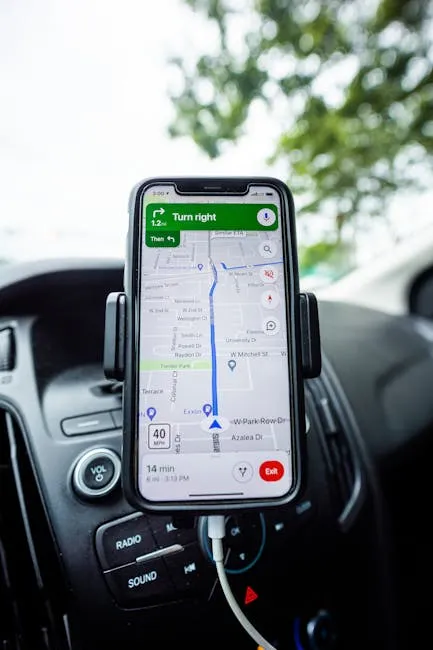
Google is transforming the driving experience by integrating its advanced AI assistant directly into the car. As of April 2026, Google has confirmed that its Gemini AI assistant is officially hitting the road in millions of vehicles. This significant move signals Google’s aggressive push to bring more advanced, conversational AI into the driving experience, fundamentally changing how drivers interact with their vehicles.
The Big Announcement: Gemini in Cars
The integration of Gemini into the automotive sector marks a major milestone for both the tech giant and the automotive industry. Previously, smart assistants were often limited to phones or specific infotainment systems. However, by deploying this AI across millions of vehicles, Google is ensuring that its capabilities are accessible to a much broader audience. This isn’t just about playing music or making calls anymore; it represents a deeper integration of artificial intelligence into the daily lives of commuters.
How is this different? The key differentiator here is the sophistication of the conversational interface. Unlike older voice commands that required specific phrases, Gemini offers a natural, context-aware way to interact. Drivers can ask complex questions, manage their schedules while navigating, or even get personalized recommendations without taking their hands off the wheel.
What Drivers Can Expect
As this technology rolls out, users can expect a suite of new features designed to enhance safety and convenience. Here are the main highlights of this new era of car computing:
- Hands-Free Navigation: The AI can understand context better than ever before, allowing drivers to ask for turns or route changes with natural language.
- Smart Safety Alerts: Gemini can analyze driving conditions and provide proactive warnings, potentially reading road signs or traffic data directly to the driver.
- Personalized Audio: Beyond simple playlists, the system will likely understand complex requests like “play upbeat songs from 2020” or “find jazz stations in the area.”
- Vehicle Health Monitoring: The AI can monitor the car’s diagnostics and alert the driver to potential issues before they become major problems.
Why This Matters for the Industry
Google’s decision to bring Gemini into vehicles is a strategic play that puts pressure on competitors like Apple and Amazon. The automotive tech landscape is becoming increasingly competitive, and having access to the most advanced conversational AI is becoming a standard expectation for consumers.
By utilizing its ecosystem of Android Auto and its vast database of Google Maps and Search, Google can provide a seamless experience that connects the car to the wider digital world. This integration means that the car is no longer an isolated device but a node within a larger network of smart technology.
However, this expansion also brings challenges. The automotive industry must ensure that AI systems are robust enough to handle real-world conditions. There is also the ongoing debate regarding data privacy. When an AI assistant is listening in a car, data security is paramount. Google will need to reassure users that their conversations remain private and that their location data is handled responsibly.
The Future of Driving Assistants
This rollout is just the beginning. As AI models continue to evolve, we can expect these assistants to become more proactive. Imagine a car that not only tells you about traffic but suggests alternative routes based on your mood or schedule. The integration of generative AI into vehicle interfaces will allow for dynamic content creation, such as generating summaries of news while you drive home from work.
Furthermore, as autonomous driving technology matures, the conversational AI will play a crucial role in managing the transition between manual and autonomous modes. It will act as the digital co-pilot, ensuring the driver is informed and comfortable throughout the journey.
Conclusion
Google’s Gemini AI assistant arriving in millions of vehicles is a landmark event in the history of automotive technology. It promises to make driving safer, more efficient, and more enjoyable. While there are hurdles to overcome regarding safety and data privacy, the potential for consumer benefit is clear. As we move forward, the car will increasingly become a smart home mobile, and Gemini will be the voice that guides us through it all.
