


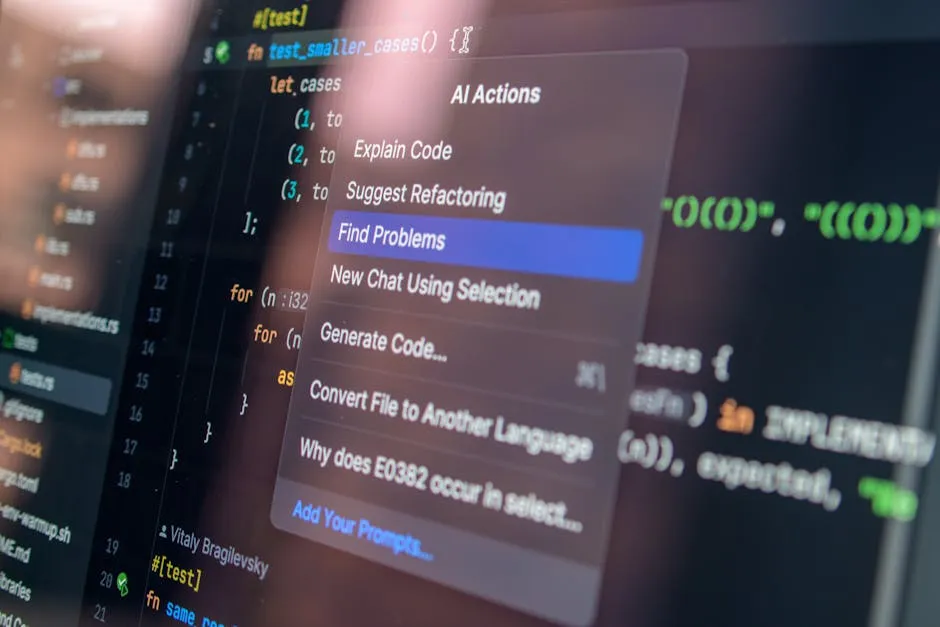
Claude Code Gets a Voice: Anthropic’s Latest AI Innovation
The landscape of AI-assisted development is getting a significant upgrade. Anthropic has announced the rollout of Voice Mode for Claude Code, marking a strategic move to enhance how developers interact with AI coding tools. This new capability allows programmers to use natural speech to generate, edit, and discuss code, pushing the boundaries of hands-free, intuitive software development.
What Voice Mode Means for Developers
Voice Mode transforms Claude Code from a text-based assistant into a conversational partner. Instead of typing out complex queries or code snippets, developers can now simply speak their intentions. Imagine verbally describing a function you need—”Create a Python function to validate an email address and handle common edge cases”—and having Claude Code generate the structured code in real-time. This shift promises to streamline workflows, reduce physical strain from constant typing, and make coding more accessible.
The feature is designed to understand the nuanced context of programming discussions. It’s not just about transcribing speech to text; it’s about comprehending technical jargon, variable names, and logical structures spoken aloud. This allows for a more fluid brainstorming and debugging process, where a developer can talk through a problem and receive immediate, context-aware coding suggestions.
Anthropic’s Strategic Play in a Competitive Arena
This launch is a clear signal of Anthropic’s ambition to compete more aggressively in the AI coding tools space, which includes established players like GitHub Copilot and emerging solutions from other AI labs. By integrating voice capabilities, Anthropic is betting on a more natural and efficient human-computer interface for one of the most complex digital tasks: writing software.
Voice Mode addresses a growing demand for multimodal AI experiences. While text-based AI coding assistants have become commonplace, adding a voice layer caters to different working styles and situations. It could be particularly powerful for prototyping ideas quickly, performing code reviews aloud, or when a developer’s hands are occupied with other tasks.
The Future of AI-Powered Development
The introduction of Voice Mode is more than just a new feature; it’s a step toward a future where AI becomes a more integrated and collaborative partner in the creative process of building software. It lowers the barrier to translating thought into code and could potentially make learning to program more intuitive for newcomers.
As with any new AI capability, its success will hinge on accuracy, speed, and deep contextual understanding. Developers will need to see that the voice interface can handle the precision and complexity required for real-world coding projects. If Anthropic gets it right, Claude Code’s Voice Mode could redefine what it means to “talk to your computer” in a professional setting, making the act of coding more conversational and dynamic than ever before.
