


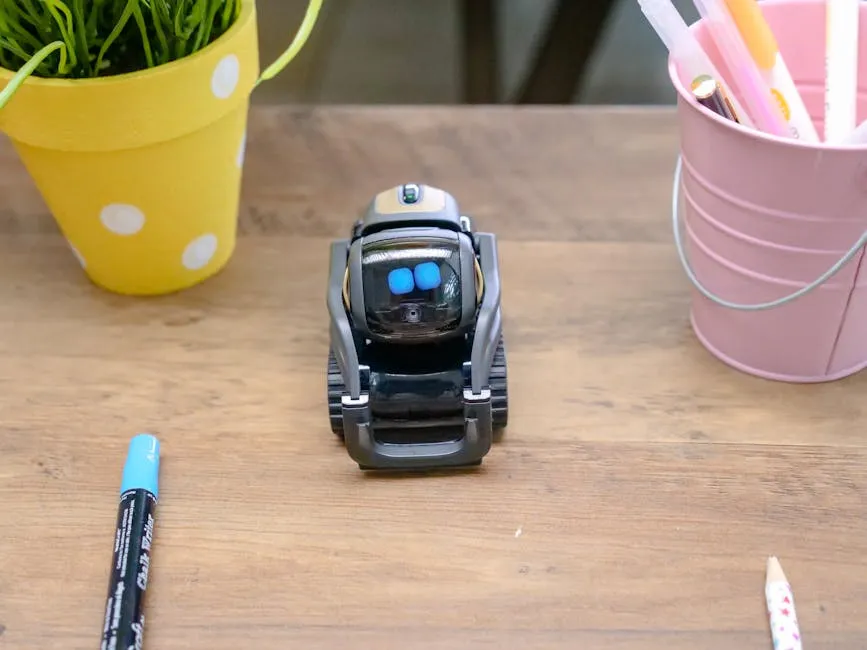
Woody’s Back, But the Playroom Has Changed
Get ready to return to Andy’s room—or what’s left of it. The beloved gang from Pixar’s “Toy Story” franchise is gearing up for a fifth adventure, set to hit theaters on June 19. While the promise of reuniting with Woody, Buzz, and the crew is enough to spark nostalgia, the first details about the film suggest it’s aiming its laser sight squarely at a very modern dilemma: the rise of addictive, AI-powered gadgets.
The new installment, aptly titled “Toy Story 5,” appears to be trading pure childhood whimsy for a more nuanced look at the contemporary playroom. The source material hints at a world where “addictive, AI-enabled tablets are taking over,” posing a new kind of threat to the classic toys we know and love. It’s a clever narrative pivot, using the franchise’s iconic characters to explore the real-world tension between timeless, imaginative play and the seductive, screen-based entertainment that dominates today.
A Commentary on “Creepy” Tech
One of the most intriguing teases is the film’s apparent critique of smart toys. With a line like “I’m always listening” attributed to a new character, the movie seems poised to tackle growing consumer concerns about data privacy and the sometimes unsettling nature of always-on, connected devices. For parents in the audience, this will likely resonate deeply, reflecting anxieties about the gadgets that share their children’s spaces.
By personifying these fears through the eyes of Woody and Buzz, “Toy Story 5” has the potential to start important conversations about technology ethics in a way that’s accessible to both kids and adults. It continues the franchise’s legacy of weaving deeper societal themes into its heartfelt stories, much like “Toy Story 3” dealt with themes of obsolescence and purpose.
Not All Change is High-Tech
Amidst the commentary on futuristic tech, the film also brings a touch of relatable, human reality to its iconic cowboy. In a detail that has already charmed fans, we learn that Woody is… balding. It’s a small, poignant touch that grounds these eternal characters in the passage of time. If even a toy isn’t immune to the signs of aging, it underscores the film’s broader theme of adapting to an ever-changing world.
This blend of the futuristic and the familiar is what could make “Toy Story 5” another standout. It’s not just a sequel; it’s a reflection. The movie asks what happens to stories of loyalty and friendship when the environment becomes digital, monitored, and algorithmically engaging.
Why This Story Matters Now
Pixar has always excelled at holding a mirror to the human experience, even through plastic and polyester fill. By choosing to confront the complex relationship children have with AI and smart technology, “Toy Story 5” is positioning itself as a culturally relevant piece of entertainment. It moves beyond simple nostalgia to ask pressing questions: What does healthy play look like in the digital age? How do we balance innovation with privacy? And can a pull-string cowboy still find his place in a world of voice-activated assistants?
As we await its release, one thing is clear: “Toy Story 5” is shaping up to be more than just another adventure. It’s a timely exploration of the toys we cherish, the technology that challenges them, and the enduring need for connection in every playroom, virtual or otherwise.
